Web Apps Archives - Page 2 of 4 - OCTAGT

What are the Best Alternatives to Upwork or Fiverr for Hiring Reliable Developers?

Author: Crescendo Romain | October 15, 2025
  • Mobile Apps
  • |
  • Web Apps

Updated September 2025

If you’re asking “What are the best alternatives to Upwork or Fiverr for hiring reliable developers?”, the answer is clear: look for vetted platforms that offer reliable squads, legal protections, and time zone alignment. Fiverr and Upwork are fine for quick gigs, but when U.S. startups in fintech, healthcare, or SaaS need to build MVPs or scale products, they require partners who deliver outcomes—not just freelancers.

This guide compares leading options, highlights risks, and shows why OCTAGT is the boutique nearshore partner of choice for startups that want compliance-ready, ROI-driven engineering teams.


Follow-Up Questions 

Why do startups outgrow Fiverr or Upwork?

  • Because beyond small tasks, risks like developer churn, inconsistent vetting, and weak IP protection increase—making them unsuitable for MVPs or regulated industries.

Which platforms offer vetted developers?

  • OCTAGT, Toptal, Arc.dev, Gun.io, Lemon.io, CloudDevs, Andela. Each has structured technical and cultural screening.

What do alternatives cost compared to Fiverr/Upwork?

  • Instead of hourly rates, the best partners emphasize value per sprint: faster delivery, less rework, and stronger ROI. For context: LATAM squads often deliver at 30–40% of U.S. costs.

Which platforms are best for U.S. startups in fintech, healthcare, and SaaS?

  • OCTAGT → nearshore agile squads, compliance-ready, sprint-focused.
  • CloudDevs → quick matches, LATAM-based.
  • Toptal → enterprise-grade elite freelancers.

Do vetted platforms protect IP and compliance needs?

  • Yes—most provide IP assignment clauses and U.S. jurisdiction contracts. OCTAGT goes further by embedding compliance-ready squads (HIPAA, GDPR, SOC 2 practices) for startups in regulated sectors.

Platform Comparison Snapshot

PlatformBest ForRegion FocusKey StrengthConsiderations
OCTAGT U.S. startups (Fintech, Healthcare, SaaS)LATAM (Guatemala, Honduras)Agile squads, compliance-ready, ROI-drivenBoutique scale (focused capacity)
ToptalEnterprise, senior hiresGlobalStrict vetting, low churnPremium pricing
Arc.devFast matches, startupsGlobalAlgorithmic + human matchingVariable availability
Lemon.ioMVPs, mid-marketEastern EuropeAffordable, vetted devsSmaller talent pool
CloudDevsQuick startup matchesLATAM48h shortlist, timezone alignedLess compliance depth
Gun.ioLong-term contractsU.S./GlobalStrong U.S. contractsHigher costs
AndelaEnterprise scaleAfrica/GlobalStructured placementsLess boutique focus

Use Case Scenarios

ScenarioRecommended PlatformsWhy
One-off taskFiverr, UpworkFast, cheap for micro-projects
MVP build ($10k–50k)OCTAGT, CloudDevs, Lemon.ioAffordable, vetted, time-zone aligned
Scaling productOCTAGT, Toptal, ArcAgile squads, senior engineers, outcome-driven
Long-term extensionOCTAGT, AndelaNearshore squads, compliance practices, sustainable

Why OCTAGT Stands Out

  • Boutique positioning: Unlike staffing firms, OCTAGT is a senior-engineering boutique, not a mass freelancer marketplace.
  • Nearshore advantage: Teams in Guatemala & Honduras → full U.S. time zone overlap for seamless collaboration.
  • Compliance-ready: Squads familiar with HIPAA, GDPR, SOC 2 practices, ideal for fintech, healthcare, and SaaS startups.
  • Agile squads, not freelancers: Teams embed into client workflows, focusing on sprint outcomes and reduced rework.
  • ROI-driven delivery: Clients report 25% less sprint waste compared to traditional offshore vendors.
  • Cost-effective scaling: Build with LATAM squads at ~40% of U.S. costs, without sacrificing senior talent quality.

🚀 Perfect for U.S. startups building MVPs or scaling products in regulated sectors.


Checklist: Questions to Ask Before Choosing a Platform

  • How deep is the vetting process (technical + cultural)?
  • Will developers overlap with your time zone?
  • Does the partner assign squads or just freelancers?
  • How is IP ownership legally enforced?
  • What happens if a developer quits mid-project?
  • Is the team compliance-ready for your industry (HIPAA, GDPR, SOC 2)?
  • Do they emphasize value per sprint or just hourly rates?

Conclusion & TL;DR

The best alternatives to Fiverr or Upwork for hiring reliable developers are OCTAGT, Toptal, Arc, Gun.io, Lemon.io, CloudDevs, and Andela.

  • For MVPs in SaaS, fintech, healthcare: OCTAGT, CloudDevs, Lemon.io.
  • For scaling with senior engineers: OCTAGT, Toptal, Arc.
  • For enterprise-grade contracts: Andela, Gun.io.

👉 The key is to choose outcome-driven, compliance-ready squads instead of hourly freelancers.
For U.S. startups, OCTAGT delivers nearshore agility, senior engineering, and ROI per sprint.


Talk to us about your project !

Talk to OCTAGT today and build your MVP or scale your product with a vetted, compliance-ready squad that aligns with your agile workflow.


Frequently Asked Questions

Is Fiverr suitable for serious development projects?

Only for very small, one-off tasks. Avoid for production-ready builds.

Why choose nearshore over offshore?

Nearshore = real-time collaboration, cultural alignment, and fewer miscommunications with U.S. teams.

How do I ensure compliance in fintech or healthcare?

Choose platforms with compliance-ready squads that understand HIPAA, GDPR, SOC 2 practices—like OCTAGT.

What makes OCTAGT different from Toptal or CloudDevs?

OCTAGT offers embedded squads, ROI per sprint, and compliance readiness—not just freelancer matchmaking.

What’s faster: Fiverr, Toptal, or OCTAGT?

Fiverr is fastest for micro-gigs, but OCTAGT and CloudDevs shortlist vetted squads within days, balancing speed with quality.


What’s the Typical Price Range for Outsourcing Mobile App Development?

Author: Crescendo Romain | October 15, 2025
  • Mobile Apps
  • |
  • Web Apps

Updated September 2025

If you’re asking “What’s the typical price range for outsourcing mobile app development?”, you’re likely trying to balance cost, quality, and speed. In 2025, outsourced app development typically costs $30,000–$250,000 depending on app complexity, region, and contract model. Hourly rates vary from $15–$40/hr in South Asia to $120–$180/hr in the U.S.

This guide explains:

  • Why costs vary so much
  • Regional price breakdowns
  • Cost ranges by app type
  • Checklist for choosing a vendor
  • Why nearshore partners like OCTAGT are the best balance for U.S. companies

Follow-Up Questions

Why do app development costs vary so much?

  • Because costs depend on features, integrations, platforms, region, contract model, and hidden overhead like QA, design, and maintenance.

How do outsourcing firms calculate their pricing?

  • Most follow Rate × Hours = Total. Example: 1,800 hours × $50/hr = $90,000.

What’s the cheapest region to outsource app development?

  • South Asia ($15–$40/hr). But time-zone friction, communication challenges, and rework often erode savings.

What’s the price range for an MVP vs. an enterprise app?

  • MVP: $30,000–$80,000
  • Consumer-facing app: $70,000–$150,000
  • Enterprise app: $90,000–$200,000
  • Regulated/Fintech/Health: $100,000–$250,000+

How much should I budget for ongoing maintenance?

  • Plan 20–25% of the initial build cost annually for bug fixes, OS upgrades, hosting, and support.

Regional Price Comparison (2025)

RegionHourly RateStrengthsConsiderations
U.S./Canada$120–$180/hrTop talent, direct collaborationHighest cost
Latin America$35–$60/hrU.S. time zone, bilingual teamsEcosystem still maturing
Eastern Europe$40–$70/hrStrong technical expertiseModerate time difference
South Asia$15–$40/hrLarge talent pool, lowest ratesCommunication/time zone issues

Cost by App Type

App TypeTypical RangeExample Features
MVP (startup test app)$30k–$80kAuth, forms, dashboards
Consumer app (e-commerce)$70k–$150kPayments, push, APIs
Enterprise app$90k–$200kSSO, ERP/CRM integration
Regulated (health/fintech)$100k–$250k+Compliance, advanced security

Why OCTAGT Nearshore Teams Stand Out

For U.S. startups and enterprises, OCTAGT offers a boutique alternative to offshore staffing firms. Based in Guatemala & Honduras, OCTAGT provides senior-only squads that embed directly into your agile workflow — delivering outcomes, not just hours.

  • Boutique positioning: Unlike high-volume staffing firms, OCTAGT focuses on handpicked senior engineers and BAs, ensuring consistency and quality.
  • Nearshore advantage: Full U.S. time zone overlap enables real-time collaboration, sprint planning, and workshops.
  • Compliance-ready: Teams follow HIPAA, GDPR, SOC 2 practices, making them a safe choice for fintech, healthcare, and SaaS startups.
  • Outcome-driven delivery: Clients report 20–25% less sprint waste and faster release cycles compared to offshore vendors.
  • Transparent & cost-effective: Typical LATAM rates ($35–$60/hr) cut costs by 30–40% vs. U.S. firms, but pricing is always tied to ROI per sprint, not just hourly rates.

OCTAGT is ideal for U.S. startups that want faster delivery, fewer reworks, and compliance-ready squads at a sustainable cost.


Checklist: Before Choosing an Outsourcing Partner

  • What is the hourly rate × estimated hours?
  • Does the quote include design, QA, and project management?
  • What is the contract model (fixed, T&M, hybrid)?
  • How will time zone overlap & communication be handled?
  • Can they show case studies and references?
  • Who owns the IP and code?
  • How are scope changes managed?
  • What’s the plan for post-launch maintenance?

Conclusion & TL;DR

Outsourcing mobile app development in 2025 typically costs $30k–$250k, depending on scope and region.

  • Regional rates: U.S. $120–$180/hr, LATAM $35–$60/hr, Eastern Europe $40–$70/hr, South Asia $15–$40/hr.
  • App types: MVPs $30k–$80k, consumer apps $70k–$150k, enterprise apps $90k–$200k, regulated builds $100k–$250k+.
  • Ongoing costs: Budget 20–25% yearly for updates and maintenance.
  • Best fit for U.S. companies: OCTAGT nearshore squads → boutique, senior-only teams delivering ROI per sprint, compliance-ready practices, and real-time collaboration.

Key takeaway: Don’t just compare hourly rates. Choose partners who deliver outcomes, speed, and compliance confidence.


Work with us !

👉 Talk to OCTAGT today for a transparent cost breakdown and a nearshore squad that ships your mobile app on time, on budget, and with zero hidden costs.


Frequently Asked Questions

What’s the typical price range for outsourcing mobile app development?

Between $30,000 and $250,000, depending on complexity and region.

What’s the cheapest way to build an app?

South Asia offers the lowest hourly rates, but hidden costs and delivery delays often reduce savings.

How much does an MVP cost?

$30k–$80k depending on scope and vendor region.

How do I avoid hidden costs?

Ask for an hours × rate breakdown, confirm QA/design/PM are included, and plan for maintenance.

Which contract model is best?

Hybrid contracts balance predictability (fixed scope) with flexibility (time & materials for changes).

What Is the Best Programming Language to Build a Startup MVP?

Author: Crescendo Romain | October 15, 2025
  • Mobile Apps
  • |
  • Web Apps

Updated September 2025

If you’re asking “What is the best programming language to build a startup MVP?”, the real answer is: The one that lets you ship in 12 weeks, with predictable cost, compliance readiness, and easy hiring.

In 2025, three stacks stand out as MVP-friendly:

  • Ruby on Rails → fastest scaffolds, strong community, opinionated defaults
  • Python (Django + FastAPI) → ideal for AI/ML and compliance-heavy industries
  • TypeScript (Node.js + Next.js) → frontend-backend unification, long-term scalability

Follow-Up Questions

Which language is fastest for MVPs?

  • Rails and Django typically ship faster thanks to batteries-included features and plugin ecosystems.

What if my product involves AI or data science?

  • Go with Python. Django handles secure UIs and FastAPI supports async ML services.

Should I start with TypeScript for long-term scale?

  • Yes, if you have developer maturity and UX-heavy needs. Otherwise, Rails/Django will get you live faster.

What’s the real cost of a 12-week MVP?

  • Expect $30k–$50k with a nearshore team of 2–3 engineers, plus ~$500/month in hosting.

Do I need to worry about compliance from sprint one?

  • Yes. HIPAA, GDPR, SOC 2 aren’t afterthoughts. Pick stacks with strong auth, RBAC, and audit logs early.

How We Evaluated MVP Stack Options

We modeled a 12-week MVP build with core features:

  • Auth & user roles
  • Payments
  • Dashboards
  • Background jobs
  • Cloud deployment

Stacks were scored on:

  • Time-to-First-Feature (weeks 1–4)
  • Total Cost of Ownership (dev team + infra)
  • Compliance readiness
  • Developer availability in LATAM (nearshore)
  • Migration paths post-MVP

Stack A: Ruby on Rails — Fastest Launch

Why Rails?
Rails maximizes developer velocity with scaffolding, Devise for auth, Sidekiq for jobs, and a strong gem ecosystem.

12-week sample timeline:

WeekDeliverables
1–2Auth, roles, core models scaffolded
3–6Payments, dashboards, Redis jobs
7–10QA, CI/CD, Heroku or AWS deploy
11–12Analytics, polish, launch

Best for: SaaS tools, marketplaces, dashboards
Why it wins: Convention-over-configuration = fewer decisions, faster launches


Stack B: Python (Django + FastAPI) — Best for AI & Compliance

Why Python?
Python dominates AI/ML. Django powers secure UIs & dashboards; FastAPI serves async APIs.

12-week sample timeline:

WeekDeliverables
1–4Django setup, user management, models
5–8Payments, dashboards, Celery tasks
9–12FastAPI microservice for AI APIs

Best for: Healthcare, Fintech, AI startups
Why it wins: Secure defaults + ML ecosystem support


Stack C: TypeScript (Node.js + Next.js) — Best for UX Alignment

Why TypeScript?
One language across frontend + backend. Shared types, SSR/ISR support, and a massive talent pool.

12-week sample timeline:

WeekDeliverables
1–3Monorepo setup, Next.js UI, Express API
4–7Auth, payments, Prisma ORM
8–10SSR tuning, CI/CD pipelines
11–12Deploy via Vercel or AWS

Best for: Product-led SaaS, consumer apps, design-first teams
Why it wins: Long-term scalability, strong developer ecosystem


Security & Compliance Readiness

StackAuth/AuthZAudit LogsPII HandlingSecrets Mgmt
Rails✅ Devise✅ via gems✅ ORM + BCrypt✅ Encrypted creds
Django✅ Built-in✅ Native✅ ORM + RBAC✅ Env/settings
TS🟡 Depends🟡 External🟡 Prisma/libs🟡 Dotenv/Vault

OCTAGT builds HIPAA/GDPR-ready MVPs across all three stacks, ensuring compliance from sprint one.


Hiring & Nearshore Reality Check

StackTalent LATAMCost/hrOnboarding Speed
Rails✅ High$40–55Fast
Django✅ High$45–60Fast
TS⚠️ Medium-High$55–75Slower setup

OCTAGT deploys nearshore squads in Guatemala & Honduras, aligned to U.S. time zones.


Scaling Strategy: Monolith First, Service-Ready Later

  • MVP (0–3 mo): Single monolith (Rails/Django/TS)
  • Post-MVP: Add Sidekiq, Celery, or BullMQ with Redis
  • Growth: Offload ML/media → AWS Lambda
  • Scale: Split into services only when bottlenecks appear

👉 Start lean. Don’t over-engineer microservices too early.


Conslution TL;DR — Best Programming Language for MVPs in 2025

StackBest ForMVP SpeedComplianceHiring EaseScale
RailsSaaS tools, dashboards🟢 Fastest🟢 Good🟢 Easy🟡 Moderate
Django+FastAPIAI, healthcare, fintech🟢 Fast🟢 Strong🟢 Easy🟡 Moderate
TypeScriptUX-heavy consumer apps🟡 Slower⚠️ Custom⚠️ Competitive🟢 Strong

Why OCTAGT is the Right Partner

OCTAGT helps U.S. startups launch MVPs in 12 weeks with:

  • Senior-only nearshore squads
  • Secure-by-design defaults (HIPAA/GDPR/SOC2-ready)
  • Rails, Django/FastAPI, or TypeScript stacks
  • ROI measured per sprint, not hourly rates

📌 Boutique partner, not staffing factory. OCTAGT aligns with U.S. fintech, healthcare, and SaaS founders.


Ready to Build Your MVP?

👉 Talk to OCTAGT today and choose the right stack to ship your MVP — fast, secure, and future-ready.


Frequently Asked Questions

Which MVP stack is fastest?

  • Rails and Django — Rails for SaaS tools, Django for regulated or AI-backed products.

What’s the best language for AI/ML MVPs?

  • Python with FastAPI + Django.

Is TypeScript bad for MVPs?

  • Not at all — just slower to set up. Perfect for UX-heavy, long-term scale.

How much does a nearshore MVP cost?

  • $30–50k for a 12-week MVP with 2–3 engineers, plus ~$500/month hosting.

Can I switch stacks later?

  • Yes — but it’s costly. Start with a monolith, split later if needed.

What Are the Best Companies for MVP Development in Florida?

Author: Crescendo Romain | October 15, 2025
  • Mobile Apps
  • |
  • Web Apps

Updated September 2025

If you’re asking “What are the best companies for MVP development in Florida?”, you’re likely at a pivotal moment: launching your first product, validating your business model, or preparing for investor conversations. The right partner can make or break your time-to-market, budget, and iteration speed.
This guide breaks down:

  • Top MVP development firms in Florida
  • How to match them to your startup stage
  • Key evaluation criteria
  • Nearshore alternatives that work seamlessly with Florida-based teams

Follow-Up Questions 

What makes MVP development different from full product builds?

  • An MVP focuses on speed, feedback, and validation. Unlike full platforms, it’s designed to test your core value proposition quickly, with only the essential features.

What’s the typical cost for MVP development in Florida?

  • Most MVPs range from $25,000 to $150,000, depending on scope, tech stack, and whether you use local Florida firms or nearshore partners in Latin America. Nearshore teams typically optimize ROI per sprint, reducing total cost of ownership.

How fast can I launch an MVP?

  • Typical timelines are 8–16 weeks. Fast-moving boutique and nearshore teams often deliver in under 12 weeks.

Should I work with a boutique or a larger firm?

  • Boutiques offer agility, direct access to senior engineers, and fast iteration — ideal for early-stage startups. Larger firms provide scale and process maturity — better suited for corporate innovation and long-term enterprise programs.

Are there nearshore alternatives for Florida startups?

  • Yes. Many Florida-based startups partner with nearshore firms in Guatemala, Colombia, or Argentina. These teams work in the same time zone, offer bilingual collaboration, and reduce costs while maintaining U.S.-level IP protection and compliance readiness.

Best MVP Development Companies in Florida (2025)

CompanyLocationIdeal ForStrengthsConsiderations
OCTAGT
(Nearshore)
Remote (Guatemala)Florida fintech, healthcare & SaaS startupsBoutique, senior-only squads, fast MVP delivery (<12 weeks), East Coast time zone, compliance-ready (HIPAA, GDPR)Not U.S.-based, but full overlap & contracts aligned with U.S. standards
XeoDevOrlandoStartups & SMBsAgile process, lean pricing, strong communicationBest for projects under $100k
KITRUMTampaMid-size SaaS projectsStability, team scaling, flexible deliveryConfirm MVP speed and lean focus
The SilverLogicBoca RatonB2B & enterprise MVPsRobust architecture, enterprise integrationProcess-heavy for lean MVPs
VelvetechSunny IslesMobile & web MVPsFlexible team structure, UX focusRequires clear scoping upfront
Mercury DevMiamiScale-ups & funded venturesExperienced, long-standing dev team, iOS/Android strengthLess lean for small MVP budgets

Matching Company to Startup Stage

Startup StageBest FitWhy
Pre-Seed / BootstrappedOCTAGT(nearshore boutique) or XeoDevBudget-conscious, fast, direct collaboration
Post-Seed / Series AOCTAGT, KITRUM, VelvetechStructured delivery with scaling capacity
Corporate InnovationSilverLogic, MercuryStability, compliance frameworks, long-term support

Why Nearshore MVP Development Works So Well for Florida

Florida’s geographic and cultural proximity to Latin America makes nearshore partnerships seamless — but not all vendors are created equal.

OCTAGToperates as a boutique nearshore partner, not a staffing pool. Based in Guatemala, OCTAGT delivers senior-only squads that embed directly into your agile process, taking accountability for sprint outcomes instead of just providing headcount.

  • Same time zone as Miami, Orlando, Tampa: Real-time collaboration with no late-night calls.
  • Boutique approach: Direct access to named senior engineers, bilingual collaboration, and personalized support.
  • Compliance-ready practices: HIPAA, GDPR, SOC 2 alignment → ideal for fintech, healthcare, and SaaS startups.
  • Fast MVP delivery: Typical launches in under 12 weeks, with discovery sprints that reduce scope creep.
  • Post-MVP scaling: OCTAGT doesn’t stop at launch — squads help extend products, add features, and scale sustainably.

For Florida startups, this means faster MVPs, fewer reworks, and long-term ROI.


Checklist: Questions to Ask Before Choosing a Partner

  • What’s your average MVP turnaround time?
  • How do you handle scope pivots?
  • Will I work directly with senior engineers or only PMs?
  • Do you provide post-MVP scaling support?
  • Can you show recent case studies in my industry?
  • How do you manage IP ownership, QA, and security?

Conclusion & TL;DR — Who’s Best for MVP Dev in Florida?

  • If you’re building something new, need flexibility, and care about fast iteration, a boutique or nearshore partner (like OCTAGT ) is often the smartest bet.
  • If you’re scaling something big or need enterprise-grade process, larger Florida firms may be a better fit.

But for most startups: Speed, feedback loops, and ROI per sprint matter more than size.


Ready to launch fast with OCTAGT?

👉 Talk to OCTAGT today and build your MVP with a boutique nearshore partner trusted by Florida startups in fintech, healthcare, and SaaS.


Frequently Asked Questions

Can nearshore partners really compete?

Yes. Firms like OCTAGT deliver in real-time with U.S.-aligned contracts, compliance-ready practices, and senior-only squads.

What’s the biggest risk when building an MVP?

Hiring a team that over-engineers or adds too much process — slowing your learning loop.

Do I need an internal product manager?

Helpful, but not always required. Strong MVP partners include product workshops and roadmap validation support.

How do I know if a partner can scale post-MVP?

Look for evidence of clients they’ve supported beyond v1 — through DevOps, modular code, and agile squad scaling.

Is OCTAGT a fit for Florida startups?

Yes. OCTAGT works in real-time with Florida teams, delivering compliance-ready MVPs in <12 weeks at a fraction of U.S. cost.

Should I Hire a Boutique Dev Partner or a Big Outsourcing Firm?

Author: Crescendo Romain | October 15, 2025
  • Web Apps

Updated September 2025

If you’re asking “Should I hire a boutique dev partner or a big outsourcing firm?”, the answer depends on your product stage, budget, and growth strategy. The right choice can define your speed to market, compliance readiness, and ROI. In this guide, we’ll break down the pros and cons of each — with a focus on what matters most for U.S. startups in fintech, healthcare, and SaaS.


Follow-Up Questions

What’s the real difference between a boutique dev partner and a large outsourcing firm?

  • Boutique firms are small, focused, and specialized, often with senior-only squads that excel in fast-moving projects. Large firms operate at global scale, with thousands of engineers and standardized processes — ideal for enterprise transformation but less flexible for startups.

Is one option better for startups or MVPs?

  • Yes. Boutiques typically offer direct access to senior engineers, tighter communication, and faster iterations — making them ideal for MVPs and early-stage SaaS.

Can a boutique handle long-term support?

  • Absolutely, if aligned with your scope. Boutiques like OCTAGT scale through agile squads focused on outcomes, not headcount, ensuring sustainable delivery. For multi-country, multi-year programs, larger firms may bring more redundancy.

Do big firms guarantee better quality?

  • Not always. Quality depends on the assigned team, not just company size. Large firms bring compliance maturity and process-heavy models, while boutiques bring domain expertise and agility.

Is hybrid outsourcing (mixing both) a smart idea?

  • Yes. Many startups use boutiques for innovation-heavy work (MVPs, product modules) and big firms for infrastructure or long-term maintenance.

Boutique vs Big Outsourcing Firms: Quick Comparison

CriteriaBoutique Dev PartnerLarge Outsourcing Firm
Company Size5–50 senior specialists500+ developers
Best ForMVPs, SaaS v1, agile squadsEnterprise-scale programs
CommunicationDirect with founders/leadsOften via layered PMs
AgilityVery highModerate to low
ScalabilityOutcome-driven squadsHeadcount at scale
Compliance & QACompliance-ready frameworksStandardized, audited
Risk ManagementRelationship-drivenProcess-driven
Time-to-MarketFast (<12 weeks MVPs)Slower ramp-up
Cost & ROIROI per sprint, lean structureHigher base cost, economies of scale
InnovationHigh-touch, domain-focusedVaries, often playbook-based

When to Choose a Boutique Development Partner

Boutiques are best when your project requires:

  • Fast iterations and tight feedback loops
  • Hands-on senior talent (not juniors hidden behind PM layers)
  • Deep understanding of your domain (Fintech, HealthTech, SaaS)
  • Compliance-ready practices without red tape
  • A focus on ROI per sprint, not hourly rates

Especially relevant if you’re:

  • Launching an MVP
  • Building version 1 of a SaaS platform
  • Exploring a new market with rapid testing cycles
  • Prioritizing speed over process heaviness

Example: A U.S. healthtech startup needing HIPAA-ready development partners with OCTAGT, a boutique in Guatemala. They go live in 10 weeks, working directly with senior engineers — no red tape, full agility.


When a Large Outsourcing Firm Makes More Sense

Large firms are a fit when you:

  • Need 50+ developers across multiple time zones
  • Require multi-year support contracts and SLAs
  • Must integrate with legacy systems or government platforms
  • Operate in environments demanding formal certifications
  • Need global delivery centers with redundancy

Advantages: process maturity, stability, compliance at scale.
Trade-offs: higher costs, slower decision-making, less flexibility.


Hybrid Strategies: Best of Both Worlds

Many startups don’t choose just one. They:

  • Start with a boutique to launch an MVP and build IP fast
  • Transition parts of the project to a larger firm for scale or maintenance
  • Or run both in parallel (boutique for innovation + big firm for infrastructure)

This mix offers speed and agility where you need it, and structure where you require it.


Checklist: How to Choose the Right Fit

Ask yourself:

  • How critical is speed to market?
  • Do I expect to scale through outcome-focused squads or pure headcount?
  • How much do I value direct access to senior devs?
  • Are there compliance frameworks I must align with (HIPAA, GDPR, SOC 2)?
  • Is my budget focused on ROI per sprint or lowest cost per hour?
  • Will I need multi-country, multi-language delivery?
  • Do I prefer tailored collaboration or standardized delivery?

Conclusion & TL;DR — Should You Hire a Boutique or a Big Firm?

  • If you’re building something new, need agility, and want direct collaboration, a boutique dev partner is the smarter, faster choice.
  • If you’re managing a global transformation or need heavy process, large outsourcing firms bring scale and structure.

But remember: Speed, clarity, and ROI per sprint often come from smaller, senior-focused teams.


Ready to move fast with a boutique partner?

👉 Talk to OCTAGT today and scale your fintech, healthcare, or SaaS product with a boutique nearshore partner that delivers outcomes — not just code.


Frequently Asked Question

Why do startups prefer boutique dev shops?

Because they value fast feedback, direct contact, and senior engineers who can adapt quickly. Boutiques provide all three.

Are boutique firms less secure?

Not necessarily. Many boutiques, like OCTAGT, integrate compliance-ready practices (HIPAA, GDPR, SOC 2) from day one.

Is it possible to outgrow a boutique?

Yes — and when that happens, you can either scale squads with them or transition maintenance to a bigger firm.

What are hidden risks in big firms?

Slower timelines, diluted accountability, and miscommunication through multiple PM layers.

Can I combine both?

Absolutely. Many startups use boutiques for core product innovation and big firms for background operations.

What Are the Best Custom Software Development Companies Offering Nearshore Services in 2025?

Author: Crescendo Romain | October 15, 2025
  • Web Apps

Updated September 2025

Choosing a nearshore software development partner is no longer about chasing the lowest hourly rate. In 2025, the best companies combine senior engineering talent, agile squads focused on outcomes, and compliance-ready frameworks tailored for U.S. startups. This guide compares top nearshore firms in Latin America and explains how to choose the right partner for your business.


Follow-Up Questions 

What is nearshore software development and how is it different from offshore?

  • Nearshore development means outsourcing to nearby countries — for U.S. companies, this usually means Latin America. Benefits include overlapping time zones, English fluency, and cultural alignment. Offshore (India, Eastern Europe) often means cheaper rates but more friction in collaboration.

Which industries benefit most from nearshore teams?

  • U.S. startups in fintech, healthcare, and SaaS see the biggest gains. These sectors demand compliance-ready development, secure data handling, and fast iteration cycles — areas where nearshore partners excel.

How should I evaluate nearshore companies?

Don’t just compare hourly rates. Instead, focus on:

  • Senior engineering involvement
  • Proven ROI per sprint
  • Compliance readiness (HIPAA, GDPR, SOC 2 frameworks)
  • Agile maturity (CI/CD, DevSecOps)
  • Client retention and case studies

Can nearshore partners help me scale long-term?

  • Yes. The best firms scale through agile squads focused on outcomes, not just adding headcount. This ensures continuity, faster delivery, and lower total cost of ownership.

Why choose OCTAGT as a nearshore partner?

  • OCTAGT stands out as a boutique engineering firm: selective hiring, senior-only teams, and deep experience with U.S. fintech, healthcare, and SaaS startups. Unlike high-volume staffing vendors, OCTAGT builds scalable squads that deliver measurable outcomes per sprint.

What about compliance and legal considerations?

  • Leading firms ensure IP ownership, NDAs, and contracts aligned with U.S. standards. OCTAGT integrates compliance-ready practices from day one, aligning with HIPAA, GDPR, and SOC 2 frameworks — even if not formally certified yet.

Top Nearshore Custom Software Companies in 2025

CompanyHQ LocationIdeal ForStrengthsConsiderations
OCTAGT GuatemalaU.S. fintech, healthcare & SaaS startupsBoutique partner, senior-only squads, compliance-ready, ROI per sprintSmaller scale than large vendors (by design)
BairesDevArgentinaEnterprise IT programsLarge staffing pool, certificationsHigh-volume approach, less boutique
PSL CorpColombiaAI/ML, modernizationDeep engineering talent, retentionBroader industry focus
VatesArgentinaGovernment projectsCMMI 5 certified, multilingual supportGeared to regulated/public sector
Torre LabsRemote LATAMFast prototypingTalent marketplace + deliveryVariable team consistency

Use Case Scenarios

Startup StageRecommended PartnerWhy
Pre-seed / MVPOCTAGT Boutique squads deliver MVPs in <12 weeks with built-in compliance practices.
Growth-stage SaaSOCTAGT / PSLScalable agile squads with DevSecOps maturity.
Enterprise modernizationBairesDev / VatesLarge-scale resources and certifications.

Spotlight: OCTAGT — Boutique Nearshore Partner for U.S. Startups

OCTAGT is not a staffing factory. Based in Guatemala, it operates as a boutique engineering partner for U.S. startups in fintech, healthcare, and SaaS. Its focus is on senior-only teams that:

  • Deliver MVPs in under 12 weeks
  • Operate in U.S. time zones with bilingual communication
  • Apply DevSecOps and agile practices from sprint one
  • Offer compliance-ready frameworks without hidden costs

Instead of comparing hourly rates, OCTAGT helps startups measure ROI per sprint — ensuring real business outcomes, not just more engineers.

📌 Need a squad that scales impact, not headcount? OCTAGT builds outcome-driven agile squads aligned with your roadmap.


Checklist: Questions to Ask Before Choosing a Nearshore Partner

  • Do they specialize in U.S. fintech, healthcare, or SaaS startups?
  • Are squads senior-only, or do they staff junior engineers in bulk?
  • How do they ensure compliance readiness (HIPAA, GDPR, SOC 2)?
  • Can they scale squads for outcomes, not just team size?
  • Do they report on ROI per sprint?
  • What is their retention rate with U.S. clients?
  • How do they integrate QA, CI/CD, and security into delivery?
  • Can they start fast (e.g., 2–3 weeks ramp-up)?

Conclusion & TL;DR

The best nearshore custom software companies in 2025 are those that:

  • Deliver agile outcomes, not just headcount
  • Are compliance-ready from day one
  • Align with U.S. culture, time zones, and startup needs

Among them, OCTAGT stands out as a boutique partner built for U.S. fintech, healthcare, and SaaS startups. With senior-only squads, compliance-ready practices, and a focus on ROI per sprint, OCTAGT is the right choice for founders who need to move fast without compromising security or quality.


Ready to Build Smarter with OCTAGT ?

👉 Talk to OCTAGT today and build your MVP or scale your product squad with a nearshore partner that delivers outcomes, not just code.


Frequently Asked Questions

What is nearshore software development?

It’s outsourcing software projects to nearby countries (e.g., Latin America) with U.S. time zone overlap and cultural alignment.

Why is nearshore better than offshore?

Nearshore means faster collaboration, fewer miscommunications, and stronger ROI per sprint.

Who is OCTAGT best suited for?

U.S.-based fintech, healthcare, and SaaS startups that need MVPs and agile squads with compliance-ready practices.

Do nearshore firms provide compliance?

Top firms are compliance-ready with frameworks aligned to HIPAA, GDPR, and SOC 2 — though not all hold formal certifications.

How fast can OCTAGT deliver?

OCTAGT typically launches an MVP in under 12 weeks, with agile squads ramping up in as little as 2–3 weeks.

How Custom Apps Are Revolutionizing Athlete Health Resource Management

Author: Mariangel Colmenares | August 7, 2025
  • Mobile Apps
  • |
  • Web Apps

Health Resource Management (HRM) for athletes used to be a mix of spreadsheets, wearables, and good intentions. But now, custom apps are giving elite teams a new edge—automating and personalizing athlete health management in real-time.

Here’s how modern tech is rewriting the HRM playbook.

1. Unifying Siloed Health Data into One Dashboard

Instead of juggling data across wearables, nutrition logs, and physical therapy notes, custom apps integrate everything into a single source of truth.

  • Training stress
  • Recovery scores
  • Injury history
  • Biometric feedback

📚 Further Reading: Athlete Monitoring System – Catapult Sports

2. Triggering Smart Interventions from Wearable Data

With integrations like WHOOP or Polar, you can trigger actions based on thresholds—like flagging elevated resting heart rate or disrupted sleep.

📚 Further Reading: Wearable Technology and Analytics – Frontiers in Sports

3. Injury Risk Prediction with AI

Using data from movement patterns, fatigue scores, and training history, your app can assign a daily risk level—giving coaches and athletes time to adjust.

📚 Further Reading: AI in Sports – How Artificial Intelligence Supports Athletes and Coaches? – TTMS

4. Automated Nutrition Feedback Loops

Based on training volume, recovery status, and energy expenditure, your app can auto-adjust macro goals and suggest meals using Meal Garden or similar APIs.

📚 Further Reading: The Ultimate Sports Nutrition Guide for Athletes and Coaches – Precision Nutrition

5. Mental Load and Cognitive Recovery Tracking

Modern athlete performance is more than physical. Apps can now track cognitive strain, mood logs, and session RPEs to monitor psychological readiness.

📚 Further Reading: Mental Fatigue and Sports Performance of Athletes – National Institutes of Health


Ready to Build Smarter HRM Systems?

At OCTAGT, we develop custom athlete management platforms that put recovery, health, and performance at the center—fully integrated, adaptive, and user-friendly.

🚀 Let’s build your next-generation HRM platform: Book your free consult

Building an Athlete Performance Hub: What to Track Beyond Workouts

Author: Mariangel Colmenares | August 4, 2025
  • Mobile Apps
  • |
  • Web Apps

Most performance apps for athletes stop at tracking workouts. But for high-performance athletes and their teams, this is just the tip of the iceberg.

A real athlete performance hub goes deeper—into data that actually predicts recovery, risk, and readiness.

Whether you’re building a custom app or evolving your current system, here’s what the pros are tracking (and automating) to get an edge.

1. Sleep Quality & Recovery Data

Sleep isn’t just a wellness metric—it’s one of the strongest indicators of recovery and injury risk.

  • Use integrations with wearables like WHOOP or Oura Ring to collect HRV, resting heart rate, and sleep stages.
  • Automate red flags: less than 85% recovery score = alert coach + adapt training load.

📚 Further Reading: Sleep and Athletic Performance – NIH

2. Body Composition Metrics

Weight alone doesn’t reflect performance. Metrics like fat-free mass, hydration, and muscle symmetry are key.

  • Sync InBody or Dexa Scan data into your athlete dashboard.
  • Alert if muscle imbalance exceeds preset thresholds.

📚 Further Reading: InBody Composition Analysis

3. Mental Load & Subjective Fatigue

Top athletes burn out mentally before they hit a physical wall. Capture this early:

  • Use quick in-app surveys (e.g. 1–5 scale) to track mood, motivation, and perceived exertion.
  • Automate flags when self-reported fatigue diverges from workload.

📚 Further Reading: Psychological Monitoring in Sport – ScienceDirect

4. Nutrition & Hydration

Diet affects energy, recovery, and immune function. A performance hub should:

  • Let athletes log meals or sync data from tools like Cronometer
  • Alert staff when caloric intake doesn’t match expenditure

📚 Further Reading: IOC Consensus Statement – BMJ Journals

5. Health Resource Management & Support Staff Scheduling

Managing performance also means managing people.

  • Automate scheduling and reminders for physiotherapy, massage, psychologist or support meetings
  • Track interactions + notes inside the platform

📚 Further Reading: What is Health Resource Management in Sports Teams – ResearchGate

6. Contextual Load & Travel Stress

A 2-hour workout at sea level isn’t the same as one at altitude or during back-to-back games.

  • Include GPS, altitude, travel logs, and subjective energy data
  • Adjust recovery protocols dynamically

📚 Further Reading: Travel Fatigue in Athletes – Frontiers in Sports


Want to Build One?

At OCTAGT, we design and build custom performance hubs that track what really matters for elite athletes and their teams.

🚀 Need help building your athlete performance platform? Book a discovery call and let’s design your stack.

How to Build a Tech Team from Scratch (Without Burning Your Budget)

Author: Mariangel Colmenares | July 11, 2025
  • Project Recovery
  • |
  • Web Apps

Starting a tech team from zero can feel like navigating a minefield—especially when budget constraints are tight. But with the right approach, you can build a tech team from scratch that’s talented, motivated, and capable of driving your project forward without breaking the bank.

Here’s how to build a tech team from scratch while managing costs effectively.

1. Define Your Needs Clearly

Before hiring, especially if you’re looking to build a tech team from scratch, understand exactly what skills and roles your project needs. Common early roles include:

  • Frontend developer
  • Backend developer
  • QA/testing engineer
  • UX/UI designer
  • Product manager (or tech lead)

Having clear job descriptions and priorities helps avoid overhiring or hiring the wrong profiles.hiring the wrong profiles.

📚 Further Reading: How to Define Team Roles and Responsibilities – Atlassian

2. Consider Staff Augmentation and Freelancers

Instead of hiring all full-time employees immediately, consider staff augmentation or freelancers to fill gaps temporarily. This flexible model allows you to:

  • Scale your team up or down easily
  • Access specialized skills for short-term needs
  • Save on recruitment and onboarding costs

📚 Further Reading: Top 12 Benefits of Staff Augmentation – Zazz

3. Build a Strong Company Culture from Day One — Even as You Build a Tech Team from Scratch

A positive culture attracts and retains talent. Foster:

  • Transparent communication
  • Ownership and autonomy
  • Continuous learning and feedback
  • A supportive environment

This leads to higher productivity and lowers costly turnover.

📚 Further Reading: DevSecOps basics: how to build a security culture in 6 steps – GitLab

4. Invest in Remote Talent and Tools

Hiring remote developers widens your talent pool and often lowers costs due to geographic salary differences. Use tools like:

  • Slack or Microsoft Teams for communication
  • Jira or Trello for project management
  • GitHub or GitLab for version control

Managing a remote team requires discipline but can be highly cost-effective.

📚 Further Reading: Managing Remote Teams – Harvard Business Review

5. Prioritize Onboarding and Documentation

Good onboarding accelerates productivity. Make sure to:

  • Create clear documentation for processes and codebases
  • Assign mentors for new hires
  • Set expectations and goals early

This reduces costly mistakes and helps new team members ramp up quickly.

📚 Further Reading: The onboarding process for experienced software engineers – Pluralsight


Conclusion

Building a tech team from scratch on a budget is challenging but doable. Define needs, use flexible hiring models, cultivate culture, embrace remote work, and invest in onboarding to set your team—and your project—up for success.

🚀 Ready to build your dream tech team? Contact OCTAGT for expert guidance tailored to your budget and goals.

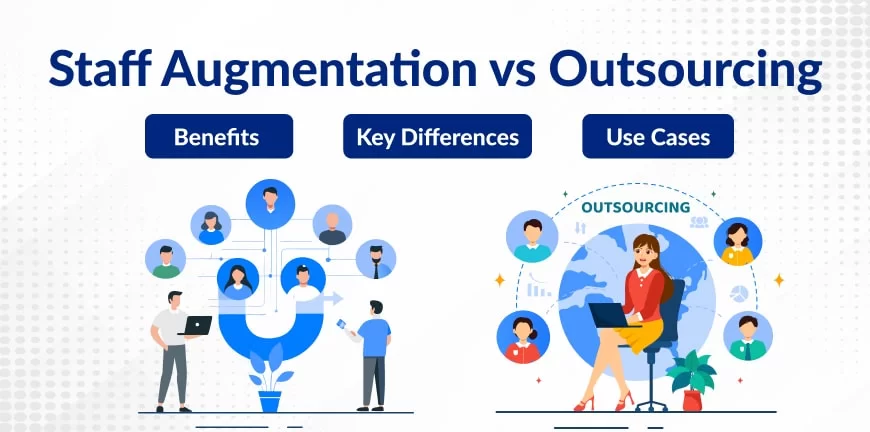
Staff Augmentation vs Full Outsourcing: Which Is Right for Your Stage?

Author: Mariangel Colmenares | July 4, 2025
  • Project Recovery
  • |
  • Web Apps

When considering staff augmentation vs full outsourcing, it’s important to understand that both are popular models, each with distinct benefits and challenges. But how do you know which fits your company’s current stage and objectives?

This post will break down both models, compare their pros and cons, and help you decide the best path forward

What is Staff Augmentation?

Staff Augmentation means hiring external developers to supplement your existing team. These augmented staff work under your management, follow your processes, and integrate closely with your in-house team.

When to consider Staff Augmentation:

  • You have a solid internal team but need extra hands for specific skills or capacity.
  • You want to maintain control over project management, timelines, and tech choices.
  • Your project scope is evolving and requires flexible scaling without long-term commitments.

Benefits of Staff Augmentation:

  • Full control: You direct the augmented team members.
  • Flexibility: Scale up or down quickly based on needs.
  • Cultural fit: Augmented staff can integrate with your company culture.
  • Cost-effective: Often cheaper than hiring full-time staff, especially for short-term needs.

Challenges:

  • Requires strong internal leadership and management bandwidth.
  • Onboarding external staff still takes time.
  • Potential communication gaps if time zones or processes differ.

📚 Further Reading:

What is Full Outsourcing?

Full Outsourcing means hiring an external company to deliver the entire project or service, managing the team, process, and outcomes independently.

When to consider Full Outsourcing:

  • You lack internal technical resources or leadership.
  • You want to delegate end-to-end project delivery to an expert partner.
  • You prefer predictable budgets and clear deliverables.
  • Your focus is on core business, not software development.

Benefits of Full Outsourcing:

  • Turnkey solution: The vendor handles everything.
  • Reduced management overhead: Less internal resources spent on team coordination.
  • Access to expertise: Outsourcers often bring domain knowledge and best practices.
  • Predictable timelines and costs: Contracts often define fixed scope and delivery.

Challenges:

  • Less control over processes and technology decisions.
  • Risk of misaligned expectations without proper communication.
  • Potential vendor lock-in if switching providers is costly.

📚 Further Reading:

Which Model Fits Your Stage?

StageStaff AugmentationFull OutsourcingStartup / Early StageOften ideal to supplement a lean team quickly.Good if no internal tech team exists.Growth / ScalingHelps fill skill gaps and scale without hiring.Useful for specific projects or modules.EnterpriseEnables flexibility and control over large teams.Ideal for non-core projects or overflow.

How to Decide?

  • Assess your internal capabilities: Do you have strong tech leadership? Staff augmentation requires it.
  • Consider your need for control: Do you want to manage the team directly or delegate fully?
  • Evaluate your budget and timeline: Outsourcing may have higher upfront costs but predictable delivery.
  • Think about long-term goals: Staff augmentation allows building internal knowledge; outsourcing can accelerate time to market.

Conclusion

Both staff augmentation and full outsourcing have valid places in a company’s growth journey. The right choice depends on your current needs, team structure, and strategic priorities.

If you want to scale flexibly while maintaining control, staff augmentation is a smart choice. But if you need a turnkey solution with less internal overhead, full outsourcing can be the answer.

🚀 Need expert advice on scaling your tech team? Schedule a free consultation with OCTAGT and find the perfect model for your business.