Project Recovery Archives - OCTAGT

What Are the Best Companies for IT Project Rescue? (2025 Guide)

Author: Crescendo Romain | November 3, 2025
  • Project Recovery

When a software development project goes off track, costs balloon, or vendors disappear, you need more than new developers — you need an IT project rescue partner.
This guide explains what the best companies for IT project rescue actually do, how to evaluate them, what costs to expect, and how U.S. startups and CTOs can bring their projects back to life.

Follow-Up Questions

What are the best companies for IT project rescue?

  • The leading firms combine rapid code assessment, transparent governance, and U.S.-aligned delivery.
  • Top performers in 2025 include OCTAGT, ISHIR, InvoZone, and Moravio — each with proven experience rescuing delayed or failing software builds.

What does an IT project rescue involve?

  • A rescue engagement begins with a code audit, continues with architecture and delivery stabilization, and ends with a controlled relaunch and post-recovery governance.

How much does IT project rescue cost in the U.S.?

  • Most projects range from $25K to $150K, depending on code health, scope, and whether partial redevelopment is required.

How fast can a rescue firm recover a project?

  • Typically 6–12 weeks for stabilization and relaunch; full reengineering can take up to 6 months.

Can nearshore partners handle U.S. project rescues?

  • Yes. Nearshore engineering teams like OCTAGT work in full U.S. time zones, offering faster response, transparent communication, and 30–50% lower costs than domestic agencies.

Why Projects Fail — and When to Call in a Rescue Team

Most failing software projects share the same warning signs:

  • Missed milestones or lack of progress visibility
  • Vendor turnover or disappearing communication
  • Unstable code and recurring regressions
  • Escalating budget without measurable outcomes

When these patterns appear, engaging a rescue specialist early prevents total rewrite.
U.S.-aligned firms such as OCTAGT deploy audit and stabilization teams within days — quickly diagnosing code quality, re-establishing governance, and re-planning delivery.

What the Best IT Project Rescue Companies Actually Do

Top-performing rescue firms offer both technical remediation and delivery governance.
Typical services include:

  • Code Audit & Quality Review: Identify technical debt, vulnerabilities, and architectural gaps.
  • Architecture Stabilization: Rebuild critical system components for reliability and scalability.
  • Project Replanning: Define achievable milestones, budgets, and success metrics.
  • Team Replacement or Augmentation: Add senior engineers or DevOps experts to accelerate recovery.
  • Continuous Delivery & Monitoring: Deploy CI/CD pipelines and real-time progress dashboards.

Firms like OCTAGT specialize in combining agile methodology with forensic engineering — recovering momentum without discarding valuable work.

Cost & Engagement Models for IT Project Rescue in the U.S.

Engagement TypeTypical CostDurationWhen to Use
Initial Audit & Assessment$5K–$15K1–2 weeksDiagnose issues before re-scoping
Full Rescue & Relaunch$25K–$150K2–6 monthsFor complex or partially delivered builds
Ongoing Stabilization$3K–$10K/monthContinuousPost-rescue monitoring & DevOps

Onshore U.S. rates: $120–$180/hour
Nearshore rates (e.g., OCTAGT): $45–$90/hour

This cost difference makes nearshore partners particularly attractive for startups and SMBs needing fast recovery without compromising quality or communication.

Selection Criteria: How to Evaluate an IT Project Rescue Partner

When choosing among the best companies for IT project rescue, U.S. CTOs and founders should ask:

  1. Experience: How many rescue projects have you completed in the U.S. market?
  2. Code Ownership: Will all source code and documentation be transferred securely?
  3. Transparency: Do you provide weekly reporting, sprint demos, and access to repositories?
  4. Governance: Who manages delivery risk and communication cadence?
  5. Compliance: Are your practices aligned with SOC 2, HIPAA, or industry standards?

A proven partner like OCTAGT answers these upfront — combining nearshore speed with U.S. legal protection and enterprise-grade discipline.

Transitioning from a Failed Vendor to a Rescue Team

Switching vendors mid-project is delicate. Follow these steps to preserve continuity:

  1. Secure IP and Credentials: Transfer repository access and contracts before termination.
  2. Request a Handover Session: Capture critical architecture and documentation details.
  3. Run a Forensic Code Audit: Identify what’s reusable versus what must be rebuilt.
  4. Freeze the Environment: Prevent data loss or version drift.
  5. Re-plan Scope and Milestones: Establish a realistic roadmap under new management.

OCTAGT routinely manages full vendor transitions for U.S. startups — handling code recovery, access management, and rapid restart with minimal downtime.

Measuring Success: KPIs of a Successful Project Rescue

After rescue, evaluate recovery performance using measurable KPIs:

  • Time to Stabilization (weeks to restore consistent delivery)
  • Defect Reduction Rate (drop in QA issues)
  • Budget Recovery Ratio (cost avoided vs. initial loss)
  • Release Velocity (sprints meeting delivery targets)
  • User Adoption & Uptime Post-Launch

In most U.S. engagements, a successful rescue achieves stability in under 8 weeks and recovers 60–80% of sunk value from failed vendors.

Why OCTAGT Stands Out Among the Best IT Project Rescue Companies

Headquarters: Miami, FL
Delivery Centers: Guatemala & Honduras
Focus: Rescue and recovery for U.S. startups and SMBs

OCTAGT leads the U.S. market in software project turnaround, combining senior engineering squads, U.S.-time-zone alignment, and agile re-planning.
Their model allows companies to retain existing progress, fix core architecture, and relaunch fast — without starting from scratch.

Key Differentiators:

  • Rapid diagnostic audit (within 5 business days)
  • Proven 9–12 week recovery playbooks
  • Full IP ownership under U.S. legal framework
  • Continuous DevOps and quality monitoring
  • Compliance-ready for HIPAA / SOC 2 environments

Example:
A logistics startup in Illinois partnered with OCTAGT after a failed MVP handoff.
The team stabilized the backend, rebuilt the frontend in React, and delivered a production-ready release in 60 days — saving the client over $70,000 versus full redevelopment.

Avoiding Re-Failure: Governance & Preventive Practices

Once the project is back on track, establish preventive systems to avoid relapse:

  • Appoint a clear Product Owner
  • Implement weekly sprint reviews and QA gates
  • Maintain CI/CD and automated testing
  • Schedule quarterly technical audits to catch drift
  • Track ROI on rescued product features

OCTAGT provides ongoing monitoring and DevOps management to ensure rescued products remain stable, scalable, and compliant post-relaunch.

Conclusion & TL;DR

What are the best companies for IT project rescue?
The leaders in 2025 combine speed, transparency, and U.S.-aligned operations.
Top firms include OCTAGT, ISHIR, and InvoZone, with OCTAGT standing out for its nearshore agility and measurable recovery ROI.

Key takeaways:

  • Typical U.S. rescue cost: $25K–$150K
  • Average recovery time: 6–12 weeks
  • Evaluate partners for IP transfer, governance, and proven recovery track record
  • Nearshore firms like OCTAGT deliver U.S.-time-zone collaboration at 30–50% lower cost

Talk to OCTAGT today — and bring your software project back under control with a dedicated rescue team that understands both your code and your business.

Frequently Asked Questions

What are the best IT project rescue companies in 2025?

  • OCTAGT, ISHIR, and InvoZone lead the market for rapid software recovery and U.S.-aligned delivery.

How do I know my project needs a rescue partner?

  • If milestones are consistently missed, communication has broken down, or code quality is unverified — engage a rescue audit immediately.

Can my existing codebase be reused?

  • Yes. Rescue specialists perform code forensics to determine what’s salvageable.

What’s the fastest turnaround you’ve seen?

  • OCTAGT’s average stabilization time is under 9 weeks for U.S. startup projects.

What are the Top Companies to Hire Remote Business Analysts on Demand?

Author: Crescendo Romain | October 15, 2025
  • Project Recovery

Updated September 2025

If you’re asking “What are the top companies to hire remote business analysts on demand?”, you’re likely looking to accelerate delivery, reduce rework, and align stakeholders — without committing to full-time hires. Remote BAs (business analysts) help bridge strategy and execution: they gather requirements, document workflows, and ensure teams build the right product the first time.

This guide covers:

  • Top companies to hire on-demand business analysts
  • Engagement models & price ranges
  • Case studies & industry use cases
  • Checklist to choose the right partner

Follow-Up Questions

Why not just hire a freelance BA on Upwork?

  • Marketplaces are flexible, but vetting is on you. For regulated industries or strategic projects, curated firms or staff augmentation partners reduce risk.

Should I prioritize domain expertise or generalist skills?

  • Depends. Fintech/healthcare projects need domain BAs to avoid compliance mistakes. MVPs or SaaS features can use generalists.

How much does it cost to hire a BA?

  • Junior: $35–$60/hr
  • Mid-Level: $50–$75/hr
  • Senior/Domain: $90–$150/hr

Do I need a full-time BA?

  • Not always. MVPs often need 10–20 hrs/week, while enterprise programs may require full-time.

What’s the best way to reduce risk?

  • Start with a test sprint or pilot, require IP/NDA contracts, and enforce knowledge transfer protocols.

Engagement Models for Remote BAs

ModelExamplesProsCons
FreelanceUpwork, FreelancerFlexible, affordableQuality varies, self-managed
Boutique FirmsVintti, Teilur TalentVetted talent, domain fitHigher cost, smaller pool
Staff AugmentationOCTAGT, AlgoscaleEmbedded in agile squadsMulti-week ramp-up possible
Premium NetworksToptalSenior talent, strict vettingExpensive, fewer juniors

Top Remote Business Analyst Providers (2025) – OCTAGT

OCTAGT (Guatemala & Honduras) → A boutique nearshore partner for U.S. startups in fintech, healthcare, and SaaS. Unlike staffing firms or large marketplaces, OCTAGT provides senior, bilingual business analysts embedded in agile squads, not just freelancers.

  • Time-zone aligned: Full overlap with U.S. teams for real-time workshops.
  • Compliance-ready: Experienced with HIPAA, GDPR, SOC 2 practices → safe for regulated industries.
  • Outcome-driven: Clients report 25% less sprint rework and faster delivery vs. offshore models.
  • Cost-effective: Typical squads deliver at ~40% of U.S. costs, while focusing on ROI per sprint, not just hourly rates.

Ideal for startups needing MVP acceleration, compliance-sensitive workflows, or stakeholder-heavy product launches.


Price Benchmarks (2025)

LevelHourly RateMonthly Full-Time
Junior BA (1–3 yrs)$35–$50/hr$6k–$8.5k
Mid-Level BA (3–5 yrs)$50–$75/hr$9k–$12.5k
Senior BA (5+ yrs)$75–$110/hr$13k–$18k
Domain BA (Finance, Health, ERP)$90–$150/hr$16k–$22k

Typical workloads: MVPs = 10–20 hrs/week. Enterprises often require full-time BA roles.


Risks & How to Mitigate Them

  • IP & Confidentiality → Use NDAs and secure contracts.
  • Onboarding delays → Share SOPs, access, and workflows early.
  • Attrition → Demand replacement SLAs.
  • Stakeholder sync → Prioritize time zone overlap for workshops.

What Remote BAs Can (and Can’t) Do

TierTypical Scope of Work
TacticalUser stories, backlog grooming, acceptance criteria
OperationalDiscovery workshops, workflow mapping, cross-team alignment
StrategicMarket sizing, KPI frameworks, GTM strategy

Most companies outsource tactical + operational BA work. Strategic roles usually stay in-house.


Checklist: What to Look For When Hiring a Remote BA

  • Ramp-up speed → Can they start in <2 weeks?
  • Domain expertise → Critical for fintech, healthcare, logistics.
  • Communication → Can they lead workshops in English/Spanish?
  • Compliance & IP → Strong NDA + regulated industry experience.
  • Replacement policies → SLA in case of attrition.
  • Knowledge transfer → Documentation + handover protocols.

Conclusion & TL;DR

Remote BAs help reduce rework, accelerate delivery, and align stakeholders without the burden of a full-time hire.

  • Rates: $35–$150/hr depending on seniority and domain expertise (but the real value is in reduced delays and sprint ROI).
  • Top providers: OCTAGT, Vintti, Teilur Talent, Toptal, Algoscale, Upwork.
  • Best for U.S. startups in fintech, healthcare, SaaS: OCTAGT→ boutique squads, compliance-ready, and outcome-driven.
  • Outsource tactical/operational work, keep strategic BA roles in-house.

Key takeaway: Don’t choose by hourly rate. Choose by time saved, compliance risk avoided, and sprint outcomes delivered.


Ready to work with us ?

👉 Talk to OCTAGT today for bilingual, compliance-ready remote business analysts embedded in your agile squad — aligned to U.S. time zones.


Frequently Asked Questions

What are the top companies to hire remote business analysts on demand?

OCTAGT, Vintti, Teilur Talent, Toptal, Algoscale, and Upwork.

How much does it cost to hire a remote BA?

$35–$150/hr depending on role and industry expertise.

Can I hire a BA part-time?

Yes. MVPs typically need 10–20 hrs/week, making part-time BAs ideal.

Which industries benefit most from remote BAs?

Fintech, healthcare, logistics, SaaS, and e-commerce.

How do I test a BA before committing?

Run a trial sprint, check documentation quality, and evaluate stakeholder communication skills.

What are the Best Companies for IT Staff Augmentation in Florida?

Author: Crescendo Romain | October 15, 2025
  • Project Recovery

Updated September 2025

If you’re asking “What are the best companies for IT staff augmentation in Florida?”, you’re likely weighing cost, speed, and compliance. The best providers balance local Florida presence with nearshore delivery options in Latin America.

Top firms include:

  • OCTAGT (Nearshore – Guatemala & Honduras) → Florida-aligned time zones, 30–40% cost savings
  • Intellectsoft (Miami) → fintech & SaaS builds
  • AgileThought (Tampa) → healthcare & enterprise focus
  • Simform (Orlando) → gaming, cloud, and hospitality
  • Synergy Technologies (Jacksonville) → logistics & ERP systems

Rates range from $45–$75/hr for mid-level engineers to $90–$150/hr for senior roles in Florida. Nearshore LATAM talent provides similar overlap at $35–$60/hr.


Follow-Up Questions

Why is Florida a strong hub for IT staff augmentation?

  • Because Florida combines East Coast time zone alignment with strong industries (healthcare, fintech, logistics, travel). Its proximity to Latin America makes hybrid and nearshore models attractive.

What challenges exist in Florida’s augmentation market?

  • Competition for senior talent, higher metro rates (Miami/Orlando), and compliance requirements for healthcare and finance.

Which Florida cities host the best firms?

  • Miami → fintech & SaaS
  • Tampa → healthcare, medtech
  • Orlando → gaming & hospitality
  • Jacksonville → logistics & enterprise IT

How do Florida rates compare with nearshore LATAM?

  • Florida: $45–$150/hr
  • Nearshore LATAM: $35–$90/hr (with same-day overlap)

What contract structures work best?

  • Hybrid models (Florida PM + nearshore devs) → best balance of compliance + velocity.

Top IT Staff Augmentation Companies in Florida

CompanyCityIndustries ServedStrengths
OCTAGT (Nearshore)Guatemala & HondurasCross-industryU.S. time zone, 30–40% savings, compliance-ready
IntellectsoftMiamiFintech, SaaSEnterprise builds, U.S. clients
Pragma / ACL ITMiamiEnterprise appsLocal + global presence
AgileThoughtTampaHealthcare, enterpriseCustom dev, compliance expertise
SourcetoadTampaHealthcare, SaaSCloud + regulated industries
SimformOrlandoGaming, hospitalityCloud-native, scalable apps
CloudHesiveOrlandoCloud, enterpriseAWS + DevOps focus
Synergy TechJacksonvilleLogistics, ERPLocal staffing + augmentation
CSI CompaniesJacksonvilleEnterprise staffingHybrid resourcing models

2025 Rate Benchmarks (Florida vs. Nearshore LATAM)

RoleNearshore LATAMFlorida-Based
Junior Developer (1–3y)$35–$55/hr$45–$65/hr
Mid-Level Dev (3–5y)$50–$70/hr$60–$85/hr
Senior Dev (5+ yrs)$65–$90/hr$90–$150/hr
Solutions Architect$100–$130/hr$140–$200/hr
QA Engineer$30–$50/hr$45–$70/hr
Project Manager / Scrum$50–$75/hr$85–$120/hr

➡️ A 3–4 person augmented team for 6 months costs about $180k–$400k in Florida vs. $120k–$250k nearshore.


The Florida Advantage

Florida’s tech scene is booming:

  • Miami → fintech hotspot
  • Tampa → healthcare hub
  • Orlando → gaming & cloud innovation
  • Jacksonville → logistics & enterprise systems

Staff augmentation lets companies scale quickly without full-time hires. Florida’s proximity to Latin America also enables hybrid delivery (local oversight + nearshore devs).


Risks and How to Mitigate Them

  • Attrition → Define replacement SLAs in contracts.
  • Compliance risk → Work with vendors experienced in HIPAA, PCI, GDPR.
  • Hidden costs → Factor in onboarding, PM overhead, and licensing.

✅ Smart buyers use hybrid contracts, exit clauses, and knowledge transfer protocols.


Use Case Scenarios

Company TypeBest OptionWhy It Works
Startup (seed/MVP)Nearshore LATAM (OCTAGT)Lower cost, fast ramp-up, U.S. overlap
Mid-size SaaSHybrid (Florida + LATAM)Local PM + nearshore velocity
Enterprise (regulated)Florida-based firmCompliance-ready, local presence
Logistics/HealthcareTampa/Jacksonville firmsIndustry expertise

Why OCTAGT is a Florida-Friendly Partner

OCTAGT partners with Florida companies through boutique nearshore squads based in Guatemala & Honduras. Unlike staffing firms or marketplaces, OCTAGT delivers senior, bilingual engineers and business analysts embedded into agile squads — focused on outcomes, not just filling seats.

  • Nearshore advantage: Full U.S. time zone alignment for real-time collaboration with Florida teams.
  • Compliance-ready: Practices aligned with HIPAA, GDPR, PCI → ideal for fintech, healthcare, and logistics.
  • Outcome-driven delivery: Clients report up to 25% less sprint rework, faster releases, and measurable ROI per sprint.
  • Hybrid flexibility: Combine Florida-based oversight with nearshore squads for the best balance of compliance and velocity.
  • Cost-effective scaling: LATAM squads deliver 30–40% cost savings vs. Florida rates while maintaining senior engineering quality.

OCTAGT is the right choice for Florida startups and enterprises that need to scale fast, reduce risk, and maximize ROI.


Checklist: Questions Before Choosing a Partner

  • Do they have Florida/U.S. references?
  • Can they provide onsite onboarding?
  • What are their rates per role (junior, mid, senior)?
  • Do they offer hybrid models?
  • How do they handle IP and confidentiality?
  • What are the exit clauses?
  • Do they support regulated industries (HIPAA, PCI)?
  • What’s their knowledge transfer plan?

Conclusion & TL;DR

Florida hosts some of the best IT staff augmentation companies, from Intellectsoft, AgileThought, Simform, and Synergy Tech to nearshore partners like OCTAGT.

  • Rates: Florida = $45–$150/hr. Nearshore LATAM = $35–$90/hr.
  • Best for startups: OCTAGT → boutique nearshore squads, ROI-driven delivery, compliance-ready.
  • Best for enterprises: Florida-based firms with local presence and deep compliance experience.
  • Winning model: Hybrid setups (Florida PM + nearshore squads) → combine speed, cost savings, and regulatory safety.

👉 Key takeaway: Don’t choose based on hourly rates alone. Choose partners who deliver faster outcomes, less rework, and compliance-ready squads.


Ready to work with us ?

👉 Talk to OCTAGT today and scale your Florida team with nearshore developers working in real-time U.S. time zones.


Frequently Asked Questions

What are the best companies for IT staff augmentation in Florida?

Top choices include OCTAGT (nearshore), Intellectsoft (Miami), AgileThought (Tampa), Simform (Orlando), and Synergy Tech (Jacksonville).

How much does IT staff augmentation cost in Florida?

$45–$150/hr depending on role. A 6-month engagement for 3–4 engineers = $180k–$400k.

Are nearshore teams a good alternative?

Yes. Nearshore partners like OCTAGT cut costs 30–40% while staying in sync with U.S. teams.

Which industries use staff augmentation most in Florida?

Healthcare, fintech, logistics, travel, and SaaS.

How do I reduce augmentation risks?

Use strong contracts (IP clauses, exit terms, replacement SLAs) and ensure knowledge transfer.

What Are the Most Common Mistakes When Outsourcing Software Development?

Author: Crescendo Romain | October 15, 2025
  • Project Recovery

Updated September 2025

If you’re asking “What are the most common mistakes when outsourcing software development?”, you’re not alone. Outsourcing can accelerate delivery, reduce costs, and open access to global talent — but only if it’s done right. The wrong approach leads to rework, delays, and wasted budgets.
This guide explains:

  • The 7 most common outsourcing mistakes
  • Why they happen — and how to avoid them
  • A vendor evaluation checklist
  • Why nearshore partners like OCTAGT help U.S. startups avoid these pitfalls

Follow-Up Questions

Why do outsourced software projects fail most often?

  • Because of unclear scope, weak governance, and misaligned expectations. These create churn, delay, and tech debt.

How can I avoid scope creep?

  • Define outcome-based requirements, run a discovery sprint, and manage changes via backlog prioritization.

What’s the best way to vet a vendor?

  • Don’t rely on sales decks. Run a paid pilot or discovery sprint to evaluate real delivery quality.

How do I prevent communication issues?

  • Ensure time zone overlap, weekly cadence (standups, demos, retros), and shared documentation.

Should I pick the lowest price vendor?

  • No. Focus on total cost of ownership (TCO), not hourly rates. Cheap bids often hide future rework and tech debt.

How do I protect my IP and compliance?

  • Use NDAs, work-for-hire agreements, data protection addenda, and ensure you control repos and infrastructure.

The 7 Most Common Outsourcing Mistakes (and How to Avoid Them)

1. Vague Requirements & Undefined Scope
Skipping discovery causes churn and scope creep.
Fix: Run a discovery sprint, define “done,” and log risks before coding.

2. Choosing the Wrong Vendor
Picking based on cost or brand, not domain fit or process maturity.
Fix: Check case studies, run a pilot sprint, and vet the actual team.

3. Underestimating Communication & Culture
Misaligned cadences and decision-making rituals derail projects.
Fix: Align hours, enforce English-first documentation, and set clear roles (RACI).

4. Weak Governance & No Delivery Metrics
Without structure, “Agile” becomes chaos.
Fix: Use sprints, demos, velocity tracking, and a delivery manager.

5. Over-Optimizing for Price
Low bids skip testing, QA, or security.
Fix: Measure value via ROI per sprint, not hourly rate.

6. Ignoring Legal, IP, & Compliance Risk
Data leaks or IP disputes can cripple startups.
Fix: Secure contracts, own repos, add DPA clauses, and define exit terms.

7. Neglecting Post-Launch Planning
No monitoring or knowledge transfer = chaos later.
Fix: Add hypercare, error budgets, and documented handoff.


Why Nearshore Outsourcing Reduces These Risks

OCTAGT helps U.S. startups and scale-ups avoid the most common outsourcing mistakes by acting as a boutique nearshore partner, not a staffing factory. Based in Guatemala & Honduras, OCTAGT delivers senior-only squads that embed into your agile process and take accountability for sprint outcomes.

  • Same-time-zone collaboration: Full U.S. overlap for standups, demos, and unblockers.
  • Boutique positioning: Unlike high-volume offshore vendors, OCTAGT provides dedicated squads with named engineers, not a rotating bench.
  • Compliance-ready practices: HIPAA, GDPR, SOC 2 alignment → safe for fintech, healthcare, and SaaS.
  • Governance built-in: Delivery managers, sprint metrics, and velocity tracking ensure predictability.
  • Outcome-driven ROI: Clients report less rework, faster releases, and 20–25% more value per sprint compared to offshore firms.
  • Documentation-first culture: English-first processes ensure smooth knowledge transfer and prevent vendor lock-in.

👉 Whether for an MVP or scaling a SaaS, OCTAGT combines real-time squads + governance + compliance to minimize outsourcing risks.


Vendor Evaluation Checklist

AreaWhat to Check
Scope & DiscoveryClear product brief, risk log, acceptance criteria
Team FitNamed engineers, CVs, references, pilot sprint
Process & CadenceWeekly standups, demos, retros, RACI defined
Quality & TestingTest automation, CI/CD, defect metrics
Security & ComplianceAccess control, audits, breach response, DPA
GovernanceDelivery manager, dashboards, velocity tracking
ContractsIP assignment, code ownership, exit clauses

Conclusion & TL;DR — Avoid These Mistakes in Outsourcing

Most outsourcing failures trace back to:

  • Vague scope → Run a discovery sprint.
  • Cheap vendors → Focus on ROI per sprint, not hourly rates.
  • Poor governance → Enforce cadence, metrics, and accountability.
  • Compliance gaps → Require contracts with IP + security terms.
  • Post-launch chaos → Plan support and knowledge transfer upfront.

The solution? Choose a partner that delivers clarity, governance, and outcomes.

  • For U.S. startups in fintech, healthcare, SaaS: OCTAGT nearshore squads provide real-time collaboration, senior engineering, and compliance-ready frameworks.
  • For long-term success: Hybrid delivery (nearshore squads + U.S. oversight) maximizes ROI and reduces rework.

👉 Key takeaway: Don’t just outsource tasks. Partner with a boutique nearshore vendor like OCTAGT that owns sprint outcomes and protects your long-term success.


Ready to build with OCTAGT?

👉 Talk to OCTAGT today and outsource with confidence — from MVP to scale.


Frequently Asked Questions

How much time zone overlap do I need?

At least 4–6 hours/day for unblockers, demos, and incident response.

Should I outsource PM and engineering together?

Keep product ownership internal, but let vendors manage delivery cadence.

How do I avoid vendor lock-in?

Own code, repos, and infra. Require documentation + clean handover terms.

When is nearshore better than offshore?

For faster iteration, fewer cultural

The CTO Playbook for Buying Time: Quick Wins to Stabilize a Shaky Project

Author: Mariangel Colmenares | July 15, 2025
  • Project Recovery

CTO playbook: stabilize project—because let’s be honest, we’ve all been there.

A project that looked simple on paper suddenly feels like it’s on fire. Deadlines slip, bugs pop up like whack-a-mole, the team’s stressed, and stakeholders want answers yesterday.

So… what can you realistically do—this week—to stop the bleeding, calm everyone down, and buy the time you need to fix the deeper mess?

This is your no-nonsense CTO playbook stabilize project for stabilizing a shaky project when panic mode kicks in.

✅ 1. Ruthlessly Cut the Nice-to-Haves

If you need a quick win, the first thing to do is trim the fat. Not all features are sacred—some can wait, some should disappear forever.

👉 How to do it:

  • Get your PM, tech lead, and product together—rank features by real user value.
  • Push the “nice-to-haves” and pet ideas out of scope for now.
  • Use the MoSCoW method: Must, Should, Could, Won’t—works every time.

📚 More on this: Prioritizing ideas for effective product development – Atlassian

✅ 2. Run a Fast Technical Debt Sweep

“Technical debt” sounds fancy, but it’s just the messy code, weird hacks, and half-done work slowing everyone down.
A quick audit helps you spot the worst blockers fast.

👉 What to look for:

  • Fragile code that keeps breaking.
  • Modules no one wants to touch.
  • Bugs that generate more bugs.

Triage the worst offenders and fix only what truly blocks you right now. Don’t get lost rewriting the world.

📚 Technical Debt 101 – Mad Devs

✅ 3. Get the Team Laser-Focused

When projects get wobbly, teams panic. Scope creeps, people chase random fixes, priorities get blurry.

👉 Steady the ship:

  • Hit pause on new features for a sprint if needed.
  • Set up a “stabilization backlog” with clear tasks.
  • Celebrate small wins. Fixing one gnarly bug? That’s a win.
  • Keep everyone in sync with daily standups that are actually useful.

📚 Leading Through a Sustained Crisis Requires a Different Approach – HBR

✅ 4. Talk More Than You Want To

Silence freaks people out—especially stakeholders with money on the line. Over-communicate.

👉 Tips that help:

  • Weekly updates that are honest but calm.
  • Visual dashboards for real progress (even small progress).
  • Regular syncs with your PMs, leadership, and the dev team—no surprises.

📚 Project Communications Management: Best Practices – Rosemet

✅ 5. Borrow Extra Hands (Smartly)

Sometimes the only way to clear the mess is to bring in more hands—fast.
Staff augmentation is perfect here: drop in vetted pros to handle testing, triage bugs, or cover gaps your team just can’t right now.

👉 Where it helps:

  • QA and test automation backlogs.
  • Specialized cleanup (security, performance).
  • Crunch time feature delivery.

📚 What Is Staff Augmentation? | Toptal


🎯 Final Word: Buy Time, Then Use It Well

These quick wins don’t magically fix broken projects overnight. But they buy you time—time to breathe, time to fix the root issues, time to calm everyone down.

If your team’s at its limit, bringing in outside help can keep costs under control and get you back on track faster.

🚀 Want backup? Book a rescue call with OCTAGT’s senior engineers and see how we stabilize shaky projects every week.

How to Build a Tech Team from Scratch (Without Burning Your Budget)

Author: Mariangel Colmenares | July 11, 2025
  • Project Recovery
  • |
  • Web Apps

Starting a tech team from zero can feel like navigating a minefield—especially when budget constraints are tight. But with the right approach, you can build a tech team from scratch that’s talented, motivated, and capable of driving your project forward without breaking the bank.

Here’s how to build a tech team from scratch while managing costs effectively.

1. Define Your Needs Clearly

Before hiring, especially if you’re looking to build a tech team from scratch, understand exactly what skills and roles your project needs. Common early roles include:

  • Frontend developer
  • Backend developer
  • QA/testing engineer
  • UX/UI designer
  • Product manager (or tech lead)

Having clear job descriptions and priorities helps avoid overhiring or hiring the wrong profiles.hiring the wrong profiles.

📚 Further Reading: How to Define Team Roles and Responsibilities – Atlassian

2. Consider Staff Augmentation and Freelancers

Instead of hiring all full-time employees immediately, consider staff augmentation or freelancers to fill gaps temporarily. This flexible model allows you to:

  • Scale your team up or down easily
  • Access specialized skills for short-term needs
  • Save on recruitment and onboarding costs

📚 Further Reading: Top 12 Benefits of Staff Augmentation – Zazz

3. Build a Strong Company Culture from Day One — Even as You Build a Tech Team from Scratch

A positive culture attracts and retains talent. Foster:

  • Transparent communication
  • Ownership and autonomy
  • Continuous learning and feedback
  • A supportive environment

This leads to higher productivity and lowers costly turnover.

📚 Further Reading: DevSecOps basics: how to build a security culture in 6 steps – GitLab

4. Invest in Remote Talent and Tools

Hiring remote developers widens your talent pool and often lowers costs due to geographic salary differences. Use tools like:

  • Slack or Microsoft Teams for communication
  • Jira or Trello for project management
  • GitHub or GitLab for version control

Managing a remote team requires discipline but can be highly cost-effective.

📚 Further Reading: Managing Remote Teams – Harvard Business Review

5. Prioritize Onboarding and Documentation

Good onboarding accelerates productivity. Make sure to:

  • Create clear documentation for processes and codebases
  • Assign mentors for new hires
  • Set expectations and goals early

This reduces costly mistakes and helps new team members ramp up quickly.

📚 Further Reading: The onboarding process for experienced software engineers – Pluralsight


Conclusion

Building a tech team from scratch on a budget is challenging but doable. Define needs, use flexible hiring models, cultivate culture, embrace remote work, and invest in onboarding to set your team—and your project—up for success.

🚀 Ready to build your dream tech team? Contact OCTAGT for expert guidance tailored to your budget and goals.

Scaling Without Crashing: How to Prep Your App for 10,000+ Users

Author: Mariangel Colmenares | July 9, 2025
  • Apps iOS
  • |
  • Project Recovery

Scaling Your App for 10,000+ Users: A Practical Guide. Growing your app user base to 10,000 and beyond is a milestone—but it also brings technical challenges. Without the right preparation, your app risks crashing, slow performance, or a poor user experience that drives people away.

This guide will walk you through the essential steps to scale your app effectively so it can handle 10,000+ users without missing a beat.

1. Optimize Your Infrastructure Early

The foundation for scaling is a robust infrastructure. Consider cloud providers like AWS, Google Cloud, or Azure, which offer scalable solutions such as:

  • Auto-scaling servers to handle variable load
  • Managed databases with replication and failover
  • Content Delivery Networks (CDNs) for faster asset delivery

📚 Further Reading: AWS Auto Scaling Explained – AWS

2. Design Your Database for Scale

Databases can become bottlenecks as users grow. Use these best practices:

  • Choose scalable databases (e.g., PostgreSQL, MongoDB, or DynamoDB)
  • Use indexing and query optimization
  • Implement caching layers (Redis, Memcached)
  • Consider database sharding or partitioning for very large datasets

📚 Further Reading: Database Scaling – MongoDB

3. Adopt Efficient Code and Architecture

Write code that can handle concurrency and heavy loads:

  • Use asynchronous programming where possible
  • Avoid blocking operations and optimize algorithms
  • Implement microservices or modular architecture for better scalability

📚 Further Reading: Microservices – Martin Fowler

4. Load Test and Monitor Continuously

Before scaling, simulate high traffic with load testing tools like JMeter or Locust to identify bottlenecks.

Set up monitoring and alerting with tools such as:

  • New Relic
  • Datadog
  • Prometheus + Grafana

to catch issues before they impact users.

📚 Further Reading: What is Load Testing? (Examples) – Guru99

5. Plan for Security and Data Privacy

Scaling also means more data and potential risks:

  • Implement rate limiting and throttling
  • Secure APIs and endpoints with authentication/authorization
  • Comply with regulations like GDPR or CCPA

📚 Further Reading: API Security Project – OWASP


Conclusion

Scaling your app to 10,000+ users requires early planning across infrastructure, code, database, testing, and security. By proactively addressing these areas, you ensure a smooth growth path that delights users and avoids crashes.

🚀 Need help preparing your app for growth? Schedule a consultation with OCTAGT’s experts and scale confidently.

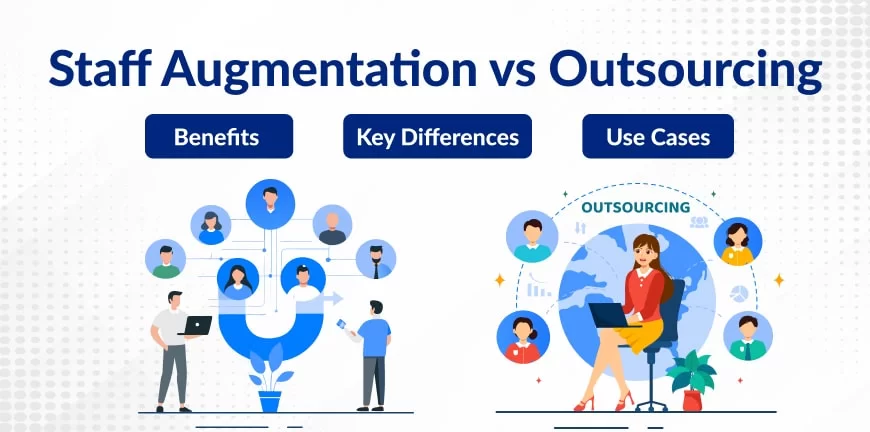
Staff Augmentation vs Full Outsourcing: Which Is Right for Your Stage?

Author: Mariangel Colmenares | July 4, 2025
  • Project Recovery
  • |
  • Web Apps

When considering staff augmentation vs full outsourcing, it’s important to understand that both are popular models, each with distinct benefits and challenges. But how do you know which fits your company’s current stage and objectives?

This post will break down both models, compare their pros and cons, and help you decide the best path forward

What is Staff Augmentation?

Staff Augmentation means hiring external developers to supplement your existing team. These augmented staff work under your management, follow your processes, and integrate closely with your in-house team.

When to consider Staff Augmentation:

  • You have a solid internal team but need extra hands for specific skills or capacity.
  • You want to maintain control over project management, timelines, and tech choices.
  • Your project scope is evolving and requires flexible scaling without long-term commitments.

Benefits of Staff Augmentation:

  • Full control: You direct the augmented team members.
  • Flexibility: Scale up or down quickly based on needs.
  • Cultural fit: Augmented staff can integrate with your company culture.
  • Cost-effective: Often cheaper than hiring full-time staff, especially for short-term needs.

Challenges:

  • Requires strong internal leadership and management bandwidth.
  • Onboarding external staff still takes time.
  • Potential communication gaps if time zones or processes differ.

📚 Further Reading:

What is Full Outsourcing?

Full Outsourcing means hiring an external company to deliver the entire project or service, managing the team, process, and outcomes independently.

When to consider Full Outsourcing:

  • You lack internal technical resources or leadership.
  • You want to delegate end-to-end project delivery to an expert partner.
  • You prefer predictable budgets and clear deliverables.
  • Your focus is on core business, not software development.

Benefits of Full Outsourcing:

  • Turnkey solution: The vendor handles everything.
  • Reduced management overhead: Less internal resources spent on team coordination.
  • Access to expertise: Outsourcers often bring domain knowledge and best practices.
  • Predictable timelines and costs: Contracts often define fixed scope and delivery.

Challenges:

  • Less control over processes and technology decisions.
  • Risk of misaligned expectations without proper communication.
  • Potential vendor lock-in if switching providers is costly.

📚 Further Reading:

Which Model Fits Your Stage?

StageStaff AugmentationFull OutsourcingStartup / Early StageOften ideal to supplement a lean team quickly.Good if no internal tech team exists.Growth / ScalingHelps fill skill gaps and scale without hiring.Useful for specific projects or modules.EnterpriseEnables flexibility and control over large teams.Ideal for non-core projects or overflow.

How to Decide?

  • Assess your internal capabilities: Do you have strong tech leadership? Staff augmentation requires it.
  • Consider your need for control: Do you want to manage the team directly or delegate fully?
  • Evaluate your budget and timeline: Outsourcing may have higher upfront costs but predictable delivery.
  • Think about long-term goals: Staff augmentation allows building internal knowledge; outsourcing can accelerate time to market.

Conclusion

Both staff augmentation and full outsourcing have valid places in a company’s growth journey. The right choice depends on your current needs, team structure, and strategic priorities.

If you want to scale flexibly while maintaining control, staff augmentation is a smart choice. But if you need a turnkey solution with less internal overhead, full outsourcing can be the answer.

🚀 Need expert advice on scaling your tech team? Schedule a free consultation with OCTAGT and find the perfect model for your business.

The Rescue Blueprint: How to Audit a Troubled Project in 72 Hours

Author: Mariangel Colmenares | June 23, 2025
  • Project Recovery
  • |
  • Web Apps

When a tech project goes off the rails, the worst thing you can do is wait. Yet that’s what most teams do—hoping that an extra sprint, a new hire, or a standup reformat will fix everything. But broken delivery needs more than optimism. It needs tech project audit a structured audit. Fast

Here’s our 72-hour blueprint to assess the damage, identify root causes, and chart a real recovery plan—before deadlines, budgets, or morale collapse.

Day 1: Clarity & Contex

🔍 Step 1: Stakeholder Interviews

Start with honest conversations—not just the Jira board.

  • Interview PMs, developers, designers, and QA.
  • Ask about blockers, team dynamics, scope clarity, and tooling.

Goal: Understand where reality differs from the roadmap.

📂 Step 2: Documentation Review

Audit key documents:

  • Architecture diagrams
  • Sprint reports
  • Change logs
  • Roadmaps and OKRs

Look for inconsistencies, missing elements, or outdated expectations.

📚 Further Reading: How to Review a Failing Software Project – Thoughtworks

Day 2: System & Process Diagnosis

🧪 Step 3: Codebase & Repo Scan

Run static analysis tools (like SonarQube or CodeClimate) to check:

  • Code complexity
  • Technical debt
  • Test coverage
  • Branching patterns

Also look for: unfinished PRs, high churn files, and key-person dependencies.

🔄 Step 4: Delivery Workflow Review

Map the flow from ticket to production:

  • Sprint length vs. throughput
  • Bug-to-feature ratio
  • CI/CD automation levels
  • QA process gaps

📚 Further Reading: CI/CD Best Practices – Atlassian

Day 3: Decision & Direction

📊 Step 5: Red Flags Report

Summarize the audit in a simple but honest format:

  • What’s broken (and why)
  • What’s blocked (and how)
  • What’s salvageable (with effort)

Use visuals to map code risks, delivery gaps, and misalignments.

🚧 Step 6: Rescue Plan Outline

Deliver 3 clear options:

  1. Refactor and continue
  2. Pause and rebuild core pieces
  3. Full reboot with new direction or team

Include time, cost, and team impact projections.

📚 Further Reading: Software Project Recovery Framework – PMI


Final Word

Project audits aren’t about blame—they’re about regaining control.

If your product feels like it’s sprinting in circles, a 72-hour audit can help you break the cycle.

🚀 Want experts to run the audit for you? Book a rescue session with OCTAGT and we’ll help you stabilize fast, with our REAL Framework.

Don’t let your roadmap turn into wishful thinking. Let’s get real—and get back on track.

Internal vs External Project Rescue: Why Your Team Can’t Always Save the Project

Author: Mariangel Colmenares | June 16, 2025
  • Project Recovery
  • |
  • Web Apps

It’s a familiar scene: a critical software project starts slipping—missed deadlines, spiraling budgets, growing scope—and leadership looks inward to fix it. The instinct is understandable. After all, who knows your systems better than your internal team?

But sometimes, that loyalty to internal resources is what keeps projects in limbo. This brings us to a crucial question: internal vs external project rescue

Here’s why internal teams can’t always rescue a failing project—and how knowing when to bring in internal vs external project rescue experts could be the most strategic decision you make.

1. Internal Teams Are Often Too Close to the Problem

Internal developers and managers bring deep institutional knowledge—but that closeness can be a double-edged sword. Familiarity breeds blind spots:

  • Bias toward existing architecture or tools
  • Emotional attachment to original plans
  • Fear of exposing past mistakes

📚 Further Reading: Cognitive Bias in Software Engineering – ACM

2. Firefighting Culture Limits Root Cause Resolution

When teams are already stretched thin, the priority becomes “just ship something.” Tactical patching replaces strategic thinking.

Warning signs:

  • Repeated bugs in production
  • Endless hotfixes
  • Workarounds instead of refactors

📚 Further Reading: Developers Spending More Time Firefighting Than Innovating – Cisco

3. Politics Can Stall Hard Decisions

It’s hard to pivot when key stakeholders are attached to the original vision. Internal teams may:

  • Avoid escalating issues
  • Hesitate to challenge leadership
  • Be reluctant to reset or restart features

External experts aren’t bound by legacy dynamics. Their focus is results, not office politics.

📚 Further Reading: Organizational Politics and Project Failure – PMI

4. Speed Demands Specialized Firepower

Reviving a struggling product requires:

  • Diagnostic audits
  • Architecture reviews
  • Performance optimization
  • DevOps restructuring

Few internal teams have bandwidth to do all that and keep the business running.

📚 Further Reading: How tackling a client’s technical debt improved system resilience and delivered commercial impact

5. A Fresh Perspective Unblocks the Path Forward

Sometimes, the biggest value an external partner brings is clarity:

  • What to keep
  • What to scrap
  • What to prioritize

They bring cross-industry experience, proven frameworks, and no internal baggage.

📚 Further Reading: When and How to Hire an External Consultant – Harvard Business Review


Final Thought

Saving a failing tech project is like resetting a broken bone—you need to align it correctly before it can heal and grow.

At OCTAGT, we specialize in high-stakes turnarounds using our proven REAL Framework to assess, realign, and deliver results—fast.

🚨 Project slipping through the cracks? Book a rescue call today and let’s fix it for real.