Artificial Intelligence Archives - OCTAGT

How Remote Engineering Jobs Are Reshaping Global Product Development

Author: Crescendo Romain | October 29, 2025
  • Artificial Intelligence

Engineering has gone global, and it’s not turning back. Remote engineering jobs are now a standard practice. The way products are built has changed more in five years than in the previous twenty. Long gone are the days when teams needed to share the same office, or even the same time zone, to design, test, and ship complex systems. Cloud platforms, real-time collaboration tools, and AI-assisted workflows have removed the walls that once defined where innovation could happen.

Remote engineering has become the new normal for product development. From automotive systems to SaaS platforms, the world’s most advanced products are now created through digital collaboration. Engineers design in one country, test in another, and deploy from the cloud, all within the same cycle.

What made this possible? Well, three forces came together:

  • Cloud collaboration: Through cloud collaboration,  distributed teams share and update work instantly.
  • AI-driven workflows: Instrumental in automating repetitive tasks and helping engineers focus on solving real problems.
  • Global connectivity: Allows experts from every region to contribute without barriers.

This shift isn’t just about convenience. It’s changing how fast products reach the market, how teams share ideas, and how innovation spreads. Remote engineering connects companies with the best talent worldwide, creating systems that are not only efficient but more inclusive and creative.

At OCTAGT, we see this change every day. Remote engineering is now the default model for product development. It’s faster, more diverse, and more efficient.
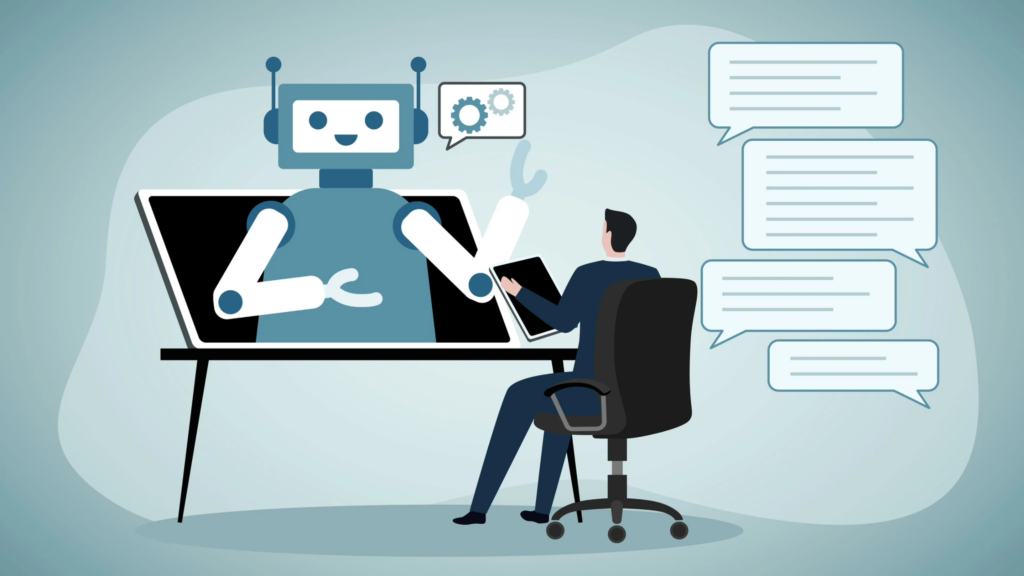
remote engineering jobs

From Co-Located Labs to Distributed Innovation

Not long ago, engineering meant being in the same room. Designers, developers, and QA teams worked side by side. Whiteboards filled with sketches. Hardware prototypes sat on the table. Product meetings happened in person. Innovation moved at the speed of whoever was in the building.

That model worked for a while, until the pace of technology outgrew the limits of location and remote engineering jobs became a norm. As systems became more complex and connected, companies realized they needed access to wider talent and faster feedback loops. The answer wasn’t a bigger office. It was a better network.

Today, engineering has undergone a paradigm shift from centralized labs to distributed collaboration. Teams no longer depend on shared desks or local servers. Instead, they connect through the cloud. Source code lives in global repositories like GitHub and GitLab. Virtual machines spin up on demand for testing. Cloud-based IDEs allow real-time collaboration, review, and deployment, all from anywhere.

DevOps pipelines keep projects in constant motion. Code is committed, tested, and deployed automatically. Continuous Integration and Continuous Deployment (CI/CD) tools handle what used to take hours of manual setup. Teams see test results, performance data, and feedback in seconds and not days.

Digital twins have also changed how physical and software systems come together. Engineers can now model complex hardware, simulate real-world behavior, and refine designs before building a single part. This reduces cost, speeds up testing, and removes the need for all engineers to sit next to the same prototype.

The result is a new kind of workflow that is not only faster, but also leaner and borderless. Teams contribute from multiple countries but work as if they’re in one lab. Collaboration happens through shared dashboards and live documentation instead of meeting rooms.

Here’s how the shift looks in simple terms:

Yesterday’s Engineering ProcessToday’s Distributed Workflow
Centralized labs and in-person reviewsCloud platforms and global repositories
Local servers and manual buildsAutomated CI/CD pipelines
Physical prototypes for testingVirtual twins and simulations
Delayed feedback and long release cyclesReal-time collaboration and continuous delivery

This change has done more than improve efficiency. It’s redefined what engineering means. Teams no longer build from one place; they build as one network.

At OCTAGT, this distributed model is the foundation of how we help clients scale product development. We design systems that bring people, tools, and automation together, so innovation flows without borders.

Global Talent Access and Product Velocity

The best engineers don’t all live in one city. They’re spread across the world. While that used to be a challenge, it’s now a strength. 

Remote engineering lets companies tap into global expertise with no geographic limits. Whether a project needs AI developers, robotics engineers, embedded systems specialists, or DevOps experts, location no longer decides who can join the team.

A company in California can hire firmware experts in Poland, data scientists in India, and QA analysts in Mexico, all working on the same system. Cloud collaboration and secure infrastructure make this setup both practical and reliable.

This wider access to talent changes how fast products move from concept to release. With engineers working in different time zones, progress continues around the clock. When one team signs off, another starts. Testing happens while others sleep. Bugs are fixed before the next workday begins.

It’s called the follow-the-sun model, and it’s how many global product companies now operate. A product can move through design, testing, and deployment within a single 24-hour cycle, something which was impossible in traditional, co-located setups.

Here’s how it plays out in real life:

  • A U.S. client defines a new feature during the day.
  • Their European team implements the feature overnight.
  • By morning, the Asian QA team has already tested and logged results.
  • The U.S. team wakes up to a ready-for-review build.

That rhythm means faster iteration, shorter delivery cycles, and less downtime between stages. Every team hands off cleanly, so work never stops.

This continuous flow also improves quality. More eyes review each stage, and diverse perspectives catch design and code issues early. Problems are solved faster because they’re handled by teams with different strengths.

At OCTAGT, we’ve seen how this global model transforms project velocity. Our clients launch faster because engineering happens in motion and not in shifts. Communication stays clear through shared documentation, structured pipelines, and consistent tooling.

The goal isn’t just to move fast but to move constantly. Remote engineering turns every hour of the day into productive time. Expertise crosses borders as easily as data does, turning the global network into one continuous engine of innovation.
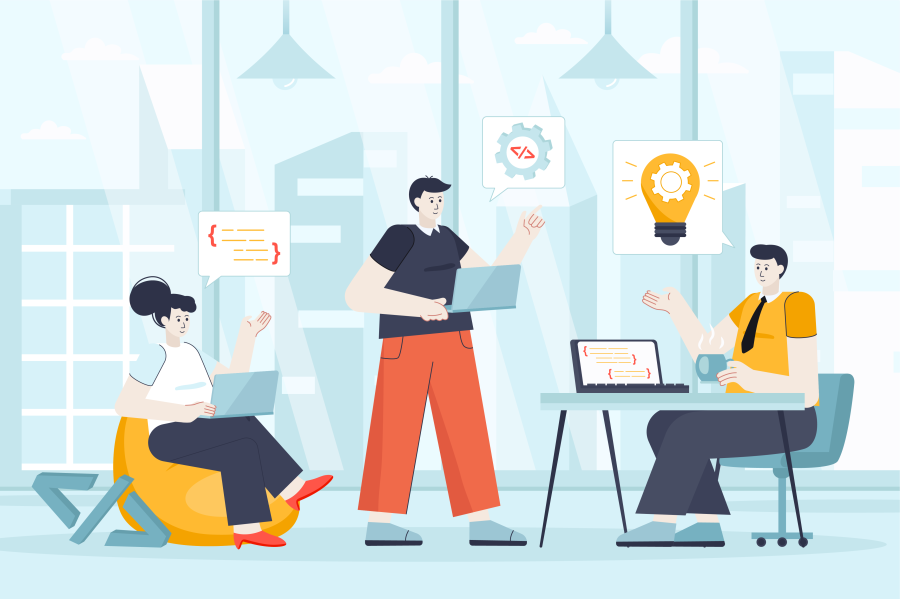
Engineering Precision Through Digital Collaboration

Remote engineering jobs don’t reduce quality. It raises it. Modern digital tools make it possible to work with more accuracy, traceability, and control than ever before. Every step, from design to deployment, is tracked, tested, and validated in real time.

Version control platforms like GitHub and GitLab keep all code visible and accountable. Every change has an author, a timestamp, and a review record. No edits go unnoticed. No version gets lost. Teams can roll back, compare, or merge work instantly, even if contributors are thousands of miles apart.

Agile project management tools keep progress transparent. Engineers, designers, and QA specialists see the same boards, sprint goals, and blockers. Decisions are made from shared data, not scattered emails. This structure turns remote collaboration into a process of steady, measurable output.

Testing has also evolved. Automated pipelines check code quality after every commit. Bugs surface early, long before they reach production. Distributed QA teams run simulations and verify builds in parallel, saving time without sacrificing accuracy.

For hardware and embedded projects, hardware-in-the-loop testing and CAD in the cloud enable virtual validation. Engineers can simulate physical systems, stress-test designs, and fine-tune parameters, all without needing to share a single lab bench. This digital layer eliminates delays and ensures consistent precision.

Data drives the entire process. Shared dashboards and telemetry systems give teams real-time insight into performance and reliability. Engineers track metrics like latency, uptime, and defect rates from anywhere. With that visibility, they make faster, evidence-based decisions.

At OCTAGT, precision is built into how our distributed teams work. Every project runs on shared infrastructure that links design, code, and testing. Our engineers collaborate through data loops (write, test, measure, refine). That cycle repeats until the result meets exacting standards.

This approach ensures that even across borders, quality never drifts. A developer in Boston, a tester in Madrid, Spain, and a DevOps engineer in Manila, Philippines can operate as one tight unit, guided by the same data.

Remote work has made engineering more structured, not less. Digital collaboration tools remove guesswork, enforce accountability, and enable fine-grained control. The process is transparent. The results are repeatable.

OCTAGT’s model of precision engineering through distributed collaboration proves that distance doesn’t weaken discipline; it strengthens it. By combining automation, shared visibility, and expert oversight, we help companies deliver products that are both fast to build and built to last.

The Human Side of Remote Engineering

Technology enables remote work, but people make it work. Distributed teams succeed when there’s trust, communication, and shared purpose. Engineering culture matters as much as the tools themselves.

Leaders must create a clear structure for collaboration and not just project management, but mentorship and continuous learning. Written documentation, design notes, and code comments become part of the culture. They keep knowledge flowing across time zones.

Asynchronous communication also helps. Not everyone is online at the same time, and that’s fine. The key is to write clearly, share context, and let engineers focus deeply without constant meetings.

At OCTAGT, we’ve learned that empathy is an essential engineering skill. When teams feel connected and respected, their output improves. They take ownership and bring their best ideas forward.

In conclusion, building the right engineering team isn’t just about hiring; it’s about structure, process, and trust.

At OCTAGT, we help companies design and scale distributed engineering teams built for precision and speed. Our custom software development and staff augmentation services connect U.S. businesses with proven global talent, ready to deliver from day one.

If your next project demands flexibility, security, and performance, we can help. Ready to accelerate your digital product roadmap? Partner with OCTAGT to build intelligent, distributed systems that scale with your ambitions.

Contact us today to start building your borderless engineering team.
AI Jobs Remote: How Distributed Intelligence Is Redefining the Modern Workforce

Author: Crescendo Romain | October 29, 2025
  • Artificial Intelligence

AI jobs remote are reshaping how people work and how companies build technology. What began as a shift to remote work has grown into something deeper, a global network of human and machine intelligence that operates without borders.

This is what we call distributed intelligence. It’s the ability for people, systems, and data to connect and act together, regardless of location. In this model, knowledge doesn’t sit in one office or one country. It moves fluidly through teams, supported by AI, automation, and cloud infrastructure.

Distributed intelligence changes how companies operate. An AI engineer in Boston can refine a model that a data scientist in Singapore trained overnight. A product team in Dallas can deploy that model to users before their morning coffee. Work continues 24 hours a day, without a single point of delay.

For businesses, this isn’t just about remote convenience. It’s about access, speed, and resilience. Distributed teams mean access to top talent anywhere. They mean faster iteration through round-the-clock collaboration. They mean systems that stay productive even when local disruptions occur.

AI jobs remote

At OCTAGT, we help companies build and manage this kind of connected capability. Our focus is on creating software ecosystems that link people and technology into one continuous flow of intelligence. Whether through custom AI development or remote team augmentation, we enable our clients to deliver at scale, securely, efficiently, and without boundaries

Distributed intelligence is not the future. It’s the present moment of AI work, one that rewards companies ready to build beyond location.

The Shift from Centralized Teams to Distributed AI Workforces

AI development once relied on everyone being in the same room. Engineers, data scientists, and analysts worked side by side, sharing whiteboards and code reviews. That setup made sense when infrastructure was tied to local servers and security meant physical control. But it also created limits, limited hiring pools, slower scaling, and long delivery cycles.

Today, that model no longer fits how AI work happens. Distributed AI workforces have taken its place. These are teams connected through cloud platforms, shared data environments, and automated workflows. Instead of gathering in one office, they meet in digital spaces, structured, traceable, and always active.

The change didn’t happen overnight. It came through steady progress in three areas:

  • Cloud computing. Compute power no longer sits in one data center. Teams can spin up resources anywhere and run large models without local hardware. Platforms like AWS, Azure, and Google Cloud have turned AI into a remote first discipline.
  • MLOps platforms. Continuous integration, deployment, and monitoring tools have brought software-style automation into machine learning. They make it possible for distributed teams to test, validate, and update models together, even when they work from different continents.
  • Real-time collaboration tools. Shared dashboards, version control systems, and live notebooks have replaced office handoffs. Tools like GitHub, Slack, and Databricks keep teams in sync without physical proximity.

These enablers form what can be called a remote-first intelligence network. This is a structure where people, algorithms, and data interact across borders as if they were in the same lab.

For companies, this means they can scale AI capacity fast and reduce downtime. A model can be trained in one region, reviewed in another, and deployed globally within hours. For talent, it means equal access to meaningful work, regardless of geography.

At OCTAGT, we see distributed AI workforces as the natural evolution of intelligent systems. We help clients build the frameworks that make this possible, secure pipelines, aligned workflows, and automation that keeps every contributor connected.

The result is not just remote collaboration. It’s a stronger, smarter system of shared intelligence that grows with every project delivered.

Why AI Jobs Remote Are Transforming the Enterprise Landscape

The move toward remote AI jobs is doing more than changing hiring patterns; it’s redefining how enterprises think, build, and grow. AI used to be the domain of central R&D hubs or tech giants clustered in a few cities. 

That’s no longer the case. Today, companies across industries (from finance to healthcare to logistics) are building distributed AI teams that deliver global impact from local desks.

Access to global AI talent

The demand for AI talent has far outpaced supply in most major cities. Remote work removes that barrier. A company in San Francisco can now hire a machine learning engineer in Warsaw, Poland, or a data scientist in São Paulo, Brazil, without relocating anyone or having to meet them in person. This shift unlocks access to specialists in computer vision, NLP, and reinforcement learning who were previously out of reach.

For businesses, this means faster team assembly and less dependence on limited local markets. For professionals, it means equal opportunity. The convenience of high-value work without the cost and disruption of moving across borders.

Speed and operational agility

Distributed AI workforces bring built-in speed. When teams span time zones, development cycles can run around the clock. Data preparation, model training, and testing can move faster through coordinated handoffs. Using MLOps pipelines hosted on the cloud, models can be updated and deployed instantly, without the need to wait for centralized sign-offs.

This model shortens time-to-market for AI-driven products. A startup with remote data scientists can deliver a new recommendation engine or fraud detection model weeks ahead of schedule. Large enterprises benefit too, as distributed collaboration helps them innovate without expanding physical infrastructure.

Innovation through diversity

Remote AI jobs are also expanding the creative capacity of companies. It goes without saying that when engineers, analysts, and researchers come from different countries and technical backgrounds, their approach to data is different. That diversity, in essence, improves how models are trained and validated.

An AI system built by a globally distributed team often captures a wider range of human contexts (cultural nuance, language diversity, and varied behavioral patterns). This matters deeply in AI ethics, fairness, and bias reduction.

At OCTAGT, we see this dynamic daily. When our AI and software experts work with clients across continents, they bring unique problem-solving instincts shaped by both culture and code. That’s where distributed intelligence shows its strength, innovation through difference, united by shared purpose.

The enterprise impact

  • Broader hiring reach: Access to high-demand AI talent across continents.
  • Operational speed: Continuous progress through multi-time zone collaboration.
  • Stronger innovation: Diversity-driven creativity that leads to better AI models.

The remote AI shift isn’t just a workforce change; it’s a structural advantage. Companies that embrace distributed intelligence aren’t just saving costs; they’re building smarter, faster, and more adaptable systems that keep them ahead in a world where AI defines competitiveness.

Close-up of glasses focusing on code on a laptop screen — symbolizing clarity in outsourcing cost analysis.

The Human Side of Distributed Intelligence

Behind every algorithm is a person. There is always someone designing, training, testing, and improving it. The growth of remote AI jobs has made this human element even more visible. Distributed intelligence isn’t just about smarter systems; it’s about smarter collaboration. It’s where people and machines, working across borders, amplify each other’s strengths.

Opening doors to inclusive hiring

Remote AI work has, without a doubt, removed long-standing barriers to entry. Think of it this way. You no longer need to live near a tech hub to join high-impact projects. A skilled data analyst in Lagos, Nigeria, a model engineer in Buenos Aires, Argentina, or an ethics researcher in Prague, Czech Republic, can now contribute to the same system development. 

This shift has inadvertently widened the talent pool and made AI more inclusive across geography, gender, and background.

Companies that embrace this model gain a genuine competitive edge. They’re not just accessing talent. Far from it. They’re tapping into diverse lived experiences that make AI systems more adaptable and fair. When more voices shape model training and evaluation, bias declines. When teams include varied viewpoints, decision-making improves.

Building culture across distance

Distributed AI teams can only thrive when the culture supports openness and trust. Communication, in this regard, isn’t an afterthought. It’s the core of how they work. That means using shared frameworks for model documentation, consistent coding practices, and transparent project tracking.

But culture is more than process. It’s about how people feel when they log in each day. Leaders of remote AI teams must create space for informal connection, feedback, and recognition. The best distributed teams make collaboration feel human and not transactional. They understand that productivity grows from belonging and not surveillance.

At OCTAGT, remote collaboration isn’t just technical, it’s relational. Our AI and development teams connect through daily syncs, open code reviews, and ongoing mentorship. We invest in communication tools and learning ecosystems that help distributed professionals grow while staying aligned with client goals.

Continuous learning in a fast-moving field

AI changes daily. Frameworks update. Datasets grow. What worked six months ago may already be outdated. Remote AI professionals need more than task direction; they need structured learning and shared discovery.

That’s why successful distributed AI organizations invest in ongoing training and peer exchange. Internal seminars, shared experiment logs, and cross-project reviews keep everyone at the edge of innovation. This approach replaces hierarchy with knowledge flow, where learning moves freely between people, not just from top to bottom.

Human creativity meets machine precision

The most powerful AI systems don’t replace people; they expand what people can do. Distributed intelligence essentially combines human imagination with computational rigor. AI models can parse massive data sets, but they still need people to define what matters, what’s ethical, and what’s possible.

Remote AI teams embody this balance. They rely on machine precision for pattern detection but depend on human creativity to ask the right questions. Together, they form a loop of improvement (machines inform humans, and humans refine machines).

This synergy is the future of work. It’s not about automating human judgment but scaling it through technology. It’s where distributed intelligence becomes not just a technical structure, but a new social contract, one that values inclusion, learning, and creativity as much as code.

In conclusion, AI jobs remote are no longer optional. They are how modern enterprises build, innovate, and compete. Distributed intelligence connects skills, systems, and insight from every corner of the world.

OCTAGT helps clients turn that connection into real results through custom software, remote AI teams, and end-to-end support for every stage of development.If your organization is ready to scale AI delivery with trusted global talent, talk to OCTAGT. Together, we’ll build the future of work, one distributed team at a time.

Why Artificial Intelligence is Crucial for the Future of Business

Author: OCTAGT | August 20, 2024
  • Artificial Intelligence

In recent years, artificial intelligence (AI) has transitioned from a futuristic concept to a vital tool for businesses around the globe. AI is revolutionizing the way companies operate, offering a competitive edge in an increasingly digital and demanding environment.

At OCTAGT, we believe that AI is not just an innovative technology but a necessity for any business aiming to stay relevant in the market. But why is AI so important in the business world? Let’s explore.

1. Enhanced Operational Efficiency

One of the main reasons AI is crucial is its ability to optimize and automate processes. Tasks that previously required human intervention, such as inventory management, data analysis, or customer service, can now be performed more quickly and accurately by AI-powered systems. This not only reduces operational costs but also allows employees to focus on more strategic tasks.

2. Data-Driven Decision Making

AI can analyze vast amounts of information in real-time, enabling businesses to make decisions based on accurate and up-to-date data. From predicting market trends to optimizing marketing campaigns, AI helps reduce uncertainty and maximize results.

3. Personalized Customer Experience

Today’s consumers demand personalized experiences. AI enables companies to analyze customer behavior, preferences, and buying habits to offer products and services tailored to their specific needs. This personalization enhances customer satisfaction and fosters loyalty, which are key factors for long-term success.

4. Increased Productivity

AI not only improves efficiency but also boosts productivity by freeing employees from repetitive and mundane tasks. By implementing AI, businesses can accomplish more work in less time, allowing teams to focus on innovation and the development of new products or services.

5. Innovation and Competitiveness

Companies that embrace AI are at the forefront of innovation. The ability to integrate AI into daily operations allows businesses to be more agile and quickly adapt to market changes. In an increasingly competitive world, those that fail to adopt this technology risk falling behind.

6. Reduction of Human Errors

AI systems can perform complex tasks with high precision, reducing the margin of error that typically occurs with manual processes. In sectors such as manufacturing, finance, and healthcare, this accuracy is crucial for avoiding costly issues and improving service quality.

7. Security and Risk Management

AI also plays a critical role in identifying and managing risks. AI-powered systems can detect cybersecurity threats, operational anomalies, and potential fraud in real-time, providing an additional layer of security that protects both data and infrastructure.

Conclusion

Artificial intelligence is not just a tool of the future; it is a reality that is profoundly impacting the present of business. At OCTAGT, we understand that leveraging the power of AI is essential for enhancing efficiency, personalizing experiences, mitigating risks, and increasing competitiveness.

If your company is ready to take the next step in digital transformation, contact us to discover how our AI-based solutions can elevate your business to the next level.